 China:+86 13509643690



Zymet 2852: Reworkable Low-Temperature Underfill for Sensitive BGA Assembly
2026-11-11


Why Standard Underfill Causes Rework Headaches
Underfill is essential for reinforcing BGA and CSP solder joints against drop, vibration, and thermal cycling—but conventional underfills cure at high temperatures and are nearly impossible to remove once cured. When a high-value board fails test, the entire assembly is scrapped because the underfill cannot be reworked. For OEMs assembling temperature-sensitive components or using low-temperature solder (LTS), the problem is worse: standard underfill cure profiles exceed the LTS reflow window and risk damaging the board.
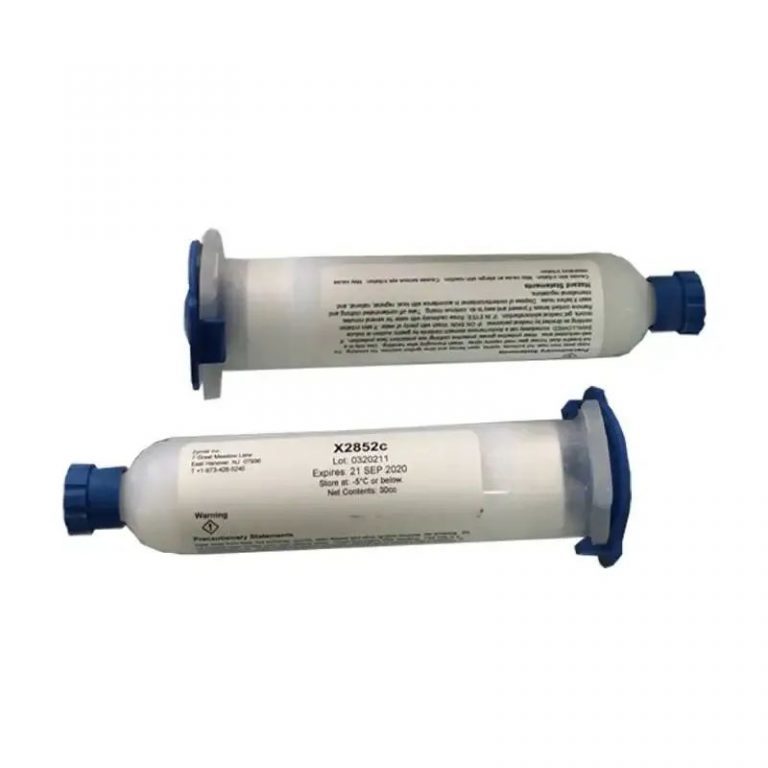
Zymet 2852C: Low-Temp Cure, Very Easy Rework
Zymet 2852 is a reworkable underfill adhesive designed for bottom filling of BGA chips in LTS assembly. It flows smoothly beneath the chip, filling the gap between component and substrate with precision. With a viscosity of 1800 cps, Tg of 65°C, and CTE1 of 33 ppm/°C, it balances flow-out performance with low stress on solder joints. Its elastic modulus of 8.3 GPa provides strong mechanical reinforcement while remaining reworkable—engineers can remove and replace the BGA without destroying the board.
Board-Level Reliability Without the Scrap Cost
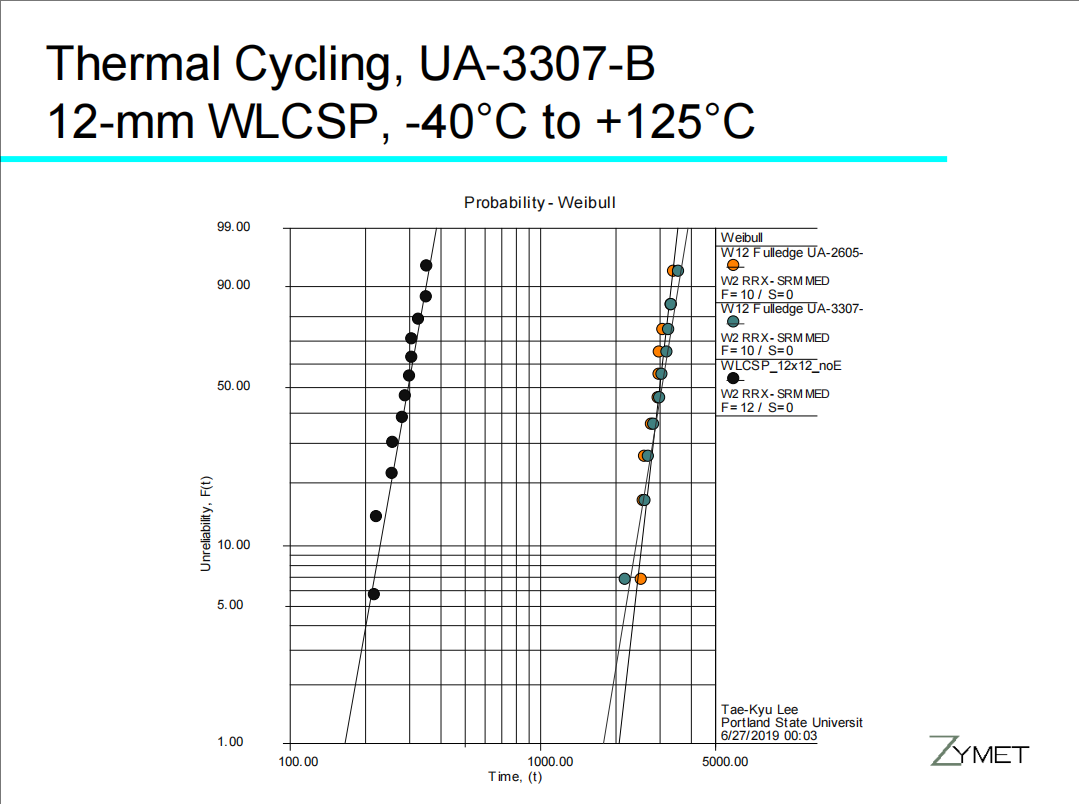
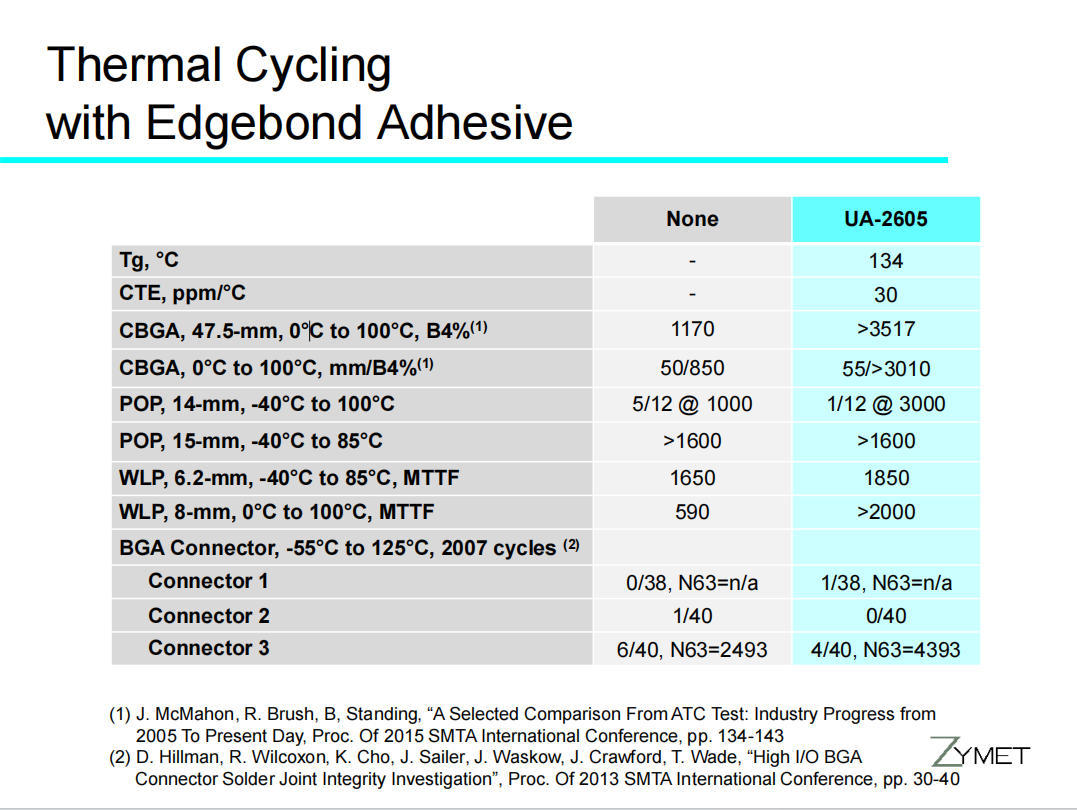
The adhesive improves drop, shock, and vibration resistance and raises board-level reliability (BLR). Low CTE matches well with SAC solder (26 ppm/°C) and Sn-Bi LTS solder (18 ppm/°C), reducing thermal expansion mismatch stress. RoHS compliant, with a five-day pot life at 25°C and six-month freezer shelf life, it fits production scheduling. Cure at 16 minutes at 110°C or 8 minutes at 120°C supports standard LTS reflow profiles.
Who Benefits Most
Contract manufacturers assembling automotive ECUs, camera modules, and wearable devices benefit most: fewer scrapped boards, lower rework cost, and reliable joint protection. Sanligao supplies Zymet 2852C with full technical datasheets and application support for underfill dispensing and rework process development.
Related Information




Contact Information
Sanligao (Hong Kong) Co., Ltd.
Room A059, 15/F, Block A, Wah Sang Building, 14-18 Wong Chuk Yeung Street, ShaTin District, New Territories, Hong Kong
Tel:+852 94279660
Email:sales@sanligao.com
Sanligao (Vietnam) Co., Ltd.
Room 105, 1st Floor, Office Building, No. 22 Li Taizu Street, Dafu Fang, Beining City, Beining Province, Vietnam
TEL:+84-388882610
Email: sales@sanligao.com
Shenzhen Sanligao Technology Co., Ltd.
Room 506, Zhaoye Industrial Park, No. 172, Huanguan Middle Road, Songxuan Community, Guanhu Street, Longhua District, Shenzhen
Tel:0755-83155700
Email:sales@sanligao.com
Sanligao Technology (Dongguan) Co., Ltd.
Room 1306, Building 8, Jindi Zihui Port, No. 95, Jiaoping Avenue, Tangxia Town, Dongguan
Tel:0769-82960500
Email: sales@sanligao.com