
 China:+86 13509643690



How to Select the Best Adhesive for Your Composite Needs: A Comprehensive Guide
2026-10-06


How to Select the Best Adhesive for Your Composite Needs
Understanding Composite Materials
What are Composite Materials?
Composite materials are engineered from two or more constituent materials that, when combined, produce a material with superior properties compared to individual components. Typically, composites consist of a matrix (like resin) and reinforcement (such as fibers), making them lightweight yet strong.
Common Types of Composite Materials
Composite materials can vary widely, but some common types include:
- **Fiberglass Composites**: Made from glass fibers and epoxy or polyester resin, these materials are known for their strength and resistance to corrosion.
- **Carbon Fiber Composites**: Renowned for their high strength-to-weight ratio, carbon fiber composites are often used in aerospace and automotive applications.
- **Wood-Laminated Composites**: These are made by layering wood with adhesives for enhanced durability and aesthetic appeal.
Importance of Selecting the Right Adhesive
Choosing the correct adhesive is crucial in ensuring the longevity and effectiveness of composite materials. An inappropriate adhesive can lead to failures, including delamination, reduced strength, and ultimately, project failure.
Factors to Consider When Selecting Adhesives
Several key factors must be assessed when choosing an adhesive for composite applications:
- **Material Compatibility**: Ensure that the adhesive is compatible with the composite materials being used.
- **Environmental Resistance**: Consider exposure to moisture, heat, chemicals, and UV light.
- **Curing Time**: Evaluate how long the adhesive takes to cure and how this affects production timelines.
- **Bond Strength**: Analyze the required bond strength for the application, ensuring it meets operational demands.
Types of Adhesives for Composite Materials
Epoxy Adhesives
Epoxy adhesives are one of the most versatile and commonly used adhesives for bonding composite materials. They offer excellent mechanical properties and resistance to environmental factors.
Polyurethane Adhesives
Polyurethane adhesives are flexible and provide strong bonds, making them suitable for applications where movement is expected. They are particularly effective in outdoor environments due to their resistance to moisture and UV rays.
Acrylic Adhesives
Acrylic adhesives set quickly and provide high strength, making them ideal for applications requiring fast production and assembly. They also exhibit good resistance to temperature fluctuations.
Silicone Adhesives
Silicone adhesives are ideal for applications requiring flexibility and temperature resistance. They are commonly used in situations where movement or expansion is anticipated.
Hot Melt Adhesives
Hot melt adhesives are thermoplastic materials that provide strong, durable bonds and cure quickly upon cooling. They are often used in manufacturing and assembly processes.
Evaluating Adhesive Performance
Testing Bond Strength
To ensure your selected adhesive meets the required performance criteria, testing bond strength is essential. This can be conducted through various methods, including peel tests and shear tests, to simulate real-world conditions.
Resistance to Environmental Factors
It’s vital to assess how well an adhesive withstands environmental challenges. Testing under conditions simulating exposure to moisture, heat, and UV light will provide insights into its long-term performance.
Application Techniques for Adhesives
Preparation of Surfaces
Proper surface preparation is critical for achieving a strong bond. Surfaces should be clean, dry, and free from contaminants. Depending on the adhesive, methods such as sanding, priming, or cleaning with solvents may be necessary.
Application Methods
Adhesives can be applied using various methods, including:
- **Brush Application**: Effective for precision work or small areas.
- **Rollers**: Suitable for even application over larger surfaces.
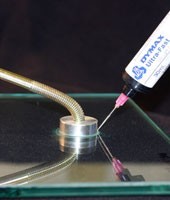
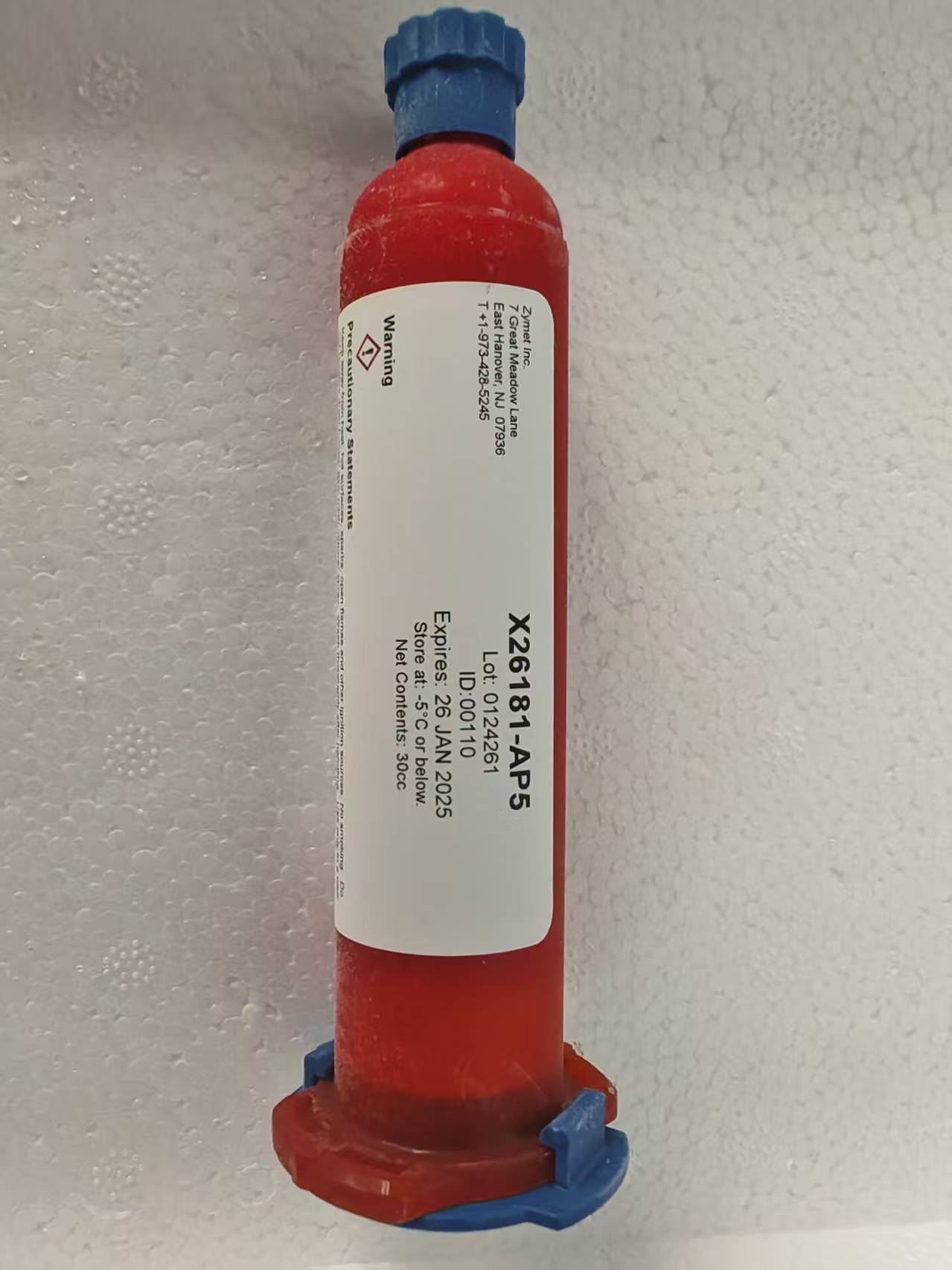
- **Dispensing Guns**: Ideal for adhesive cartridges, allowing controlled application.
Common Mistakes to Avoid When Selecting Adhesives
Overlooking Material Compatibility
One of the most common mistakes is failing to check if the adhesive is compatible with the composite materials. Always consult technical data sheets and conduct preliminary tests.
Ignoring Manufacturer Guidelines
Manufacturers provide essential information regarding curing times, application methods, and storage conditions. Ignoring these guidelines can lead to subpar performance.
Neglecting Environmental Considerations
When selecting an adhesive, it’s crucial to consider the operational environment. Choosing an adhesive not suited for specific environmental challenges can result in failure.
FAQs About Selecting Adhesives for Composite Needs
1. What is the best adhesive for fiberglass composites?
Epoxy adhesives are often the best choice for fiberglass composites due to their excellent bonding strength and resistance to environmental factors.
2. Can I use polyurethane adhesives for carbon fiber composites?
Yes, polyurethane adhesives can be used for carbon fiber composites, particularly where flexibility and resistance to moisture are needed.
3. How can I test the adhesive bond strength?
Bond strength can be tested through peel tests or shear tests, which simulate the forces the adhesive will encounter in real-world applications.
4. Are there any adhesives that work well in outdoor environments?
Polyurethane and silicone adhesives are excellent choices for outdoor applications due to their resistance to moisture and UV radiation.
5. How important is surface preparation for adhesive bonding?
Surface preparation is critical for achieving a strong bond. Clean, dry, and properly prepared surfaces significantly enhance bond strength.
Conclusion
Selecting the best adhesive for your composite needs involves a careful assessment of material compatibility, environmental conditions, and specific application requirements. By understanding the various types of adhesives available and how they perform under different circumstances, you can make informed decisions that lead to successful and durable bonding. Remember to follow best practices for surface preparation and application to maximize the effectiveness of your chosen adhesive. With the right adhesive in hand, you can ensure the longevity and performance of your composite projects.
Related Information







Contact Information
Sanligao (Hong Kong) Co., Ltd.
Room A059, 15/F, Block A, Wah Sang Building, 14-18 Wong Chuk Yeung Street, ShaTin District, New Territories, Hong Kong
Tel:+85 259633311
Email:sales@sanligao.com
Sanligao (Vietnam) Co., Ltd.
Room 105, 1st Floor, Office Building, No. 22 Li Taizu Street, Dafu Fang, Beining City, Beining Province, Vietnam
TEL:+84-388882610
Email: sales@sanligao.com
Shenzhen Sanligao Technology Co., Ltd.
Room 506, Zhaoye Industrial Park, No. 172, Huanguan Middle Road, Songxuan Community, Guanhu Street, Longhua District, Shenzhen
Tel:0755-83155700
Email:sales@sanligao.com
Sanligao Technology (Dongguan) Co., Ltd.
Room 1306, Building 8, Jindi Zihui Port, No. 95, Jiaoping Avenue, Tangxia Town, Dongguan
Tel:0769-82960500
Email: sales@sanligao.com