 China:+86 13509643690



Enhancing Chip Longevity: The Role of Rework Underfill Adhesive
2026-10-11


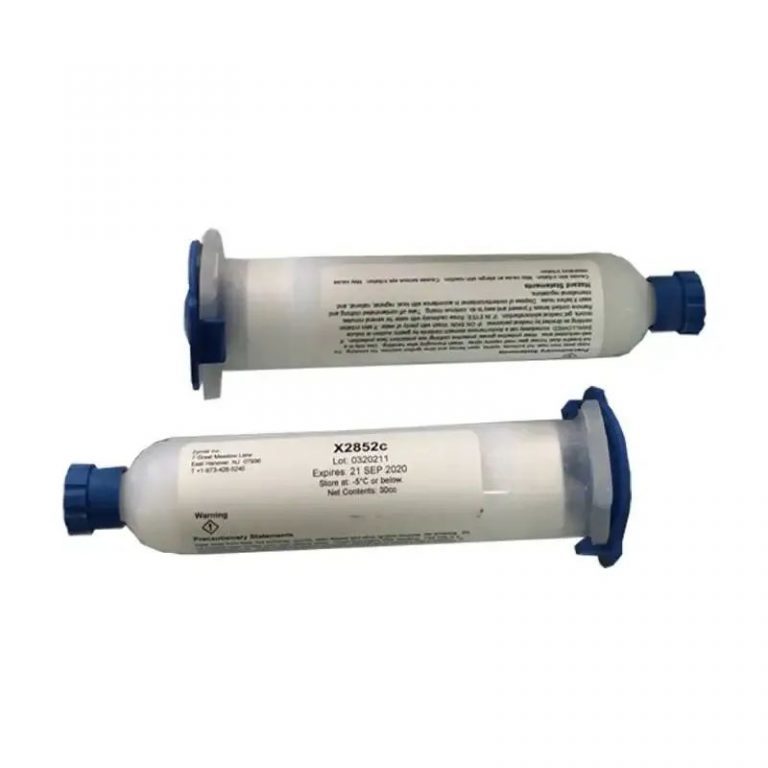
Rework underfill adhesives are designed to facilitate the repair and rework of electronic assemblies. This is particularly important in the context of complex circuit boards, where individual chip failure can necessitate the replacement of the entire assembly. The ability to remove and replace chips without compromising the integrity of the surrounding components is a significant advantage offered by this type of adhesive.
The formulation of rework underfill adhesives typically includes epoxy resins, curing agents, and additives that enhance flow characteristics and adhesion properties. These adhesives are engineered to ensure good wetting on various substrates, including FR4, ceramics, and metals. The viscosity of the adhesive is also a critical parameter; it must be low enough to facilitate capillary action during application while maintaining sufficient thickness to provide effective protection.
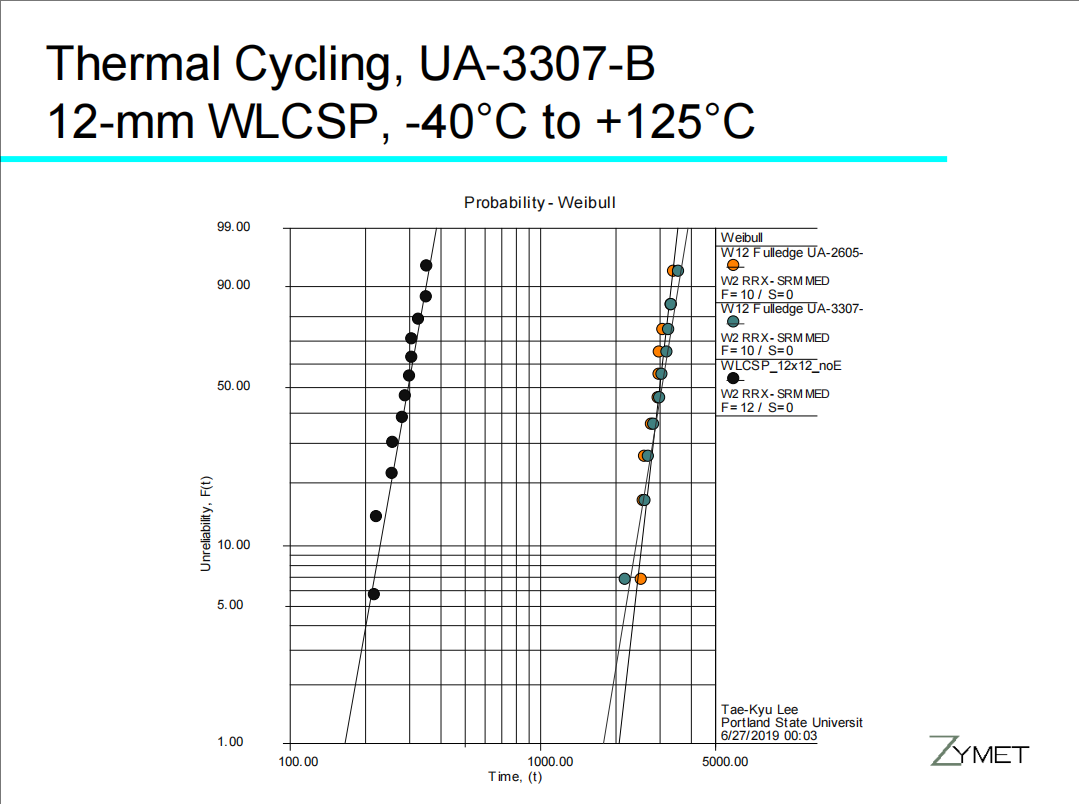
In addition to their mechanical properties, these adhesives are also designed to withstand harsh operational environments. This includes resistance to moisture, chemicals, and temperature variations, all of which can impact the long-term performance of electronic devices. By selecting the appropriate rework underfill adhesive, manufacturers can improve the reliability of their products, ultimately leading to increased customer satisfaction and reduced warranty costs.
Furthermore, the curing process of underfill adhesives can vary, with options for both thermal and UV curing available. The choice of curing method will depend on the specific requirements of the application and the production line capabilities. With advancements in adhesive technology, new formulations are being developed that offer faster curing times and improved performance characteristics.
In conclusion, rework underfill adhesive for chips plays a pivotal role in ensuring the reliability and longevity of electronic assemblies. By understanding its properties and applications, professionals in the electronics manufacturing industry can make informed decisions that enhance product performance and durability. As the industry continues to evolve, staying abreast of advancements in adhesive technologies will be essential for maintaining a competitive edge.
Related Information






Contact Information
Sanligao (Hong Kong) Co., Ltd.
Room A059, 15/F, Block A, Wah Sang Building, 14-18 Wong Chuk Yeung Street, ShaTin District, New Territories, Hong Kong
Tel:+852 94279660
Email:sales@sanligao.com
Sanligao (Vietnam) Co., Ltd.
Room 105, 1st Floor, Office Building, No. 22 Li Taizu Street, Dafu Fang, Beining City, Beining Province, Vietnam
TEL:+84-388882610
Email: sales@sanligao.com
Shenzhen Sanligao Technology Co., Ltd.
Room 506, Zhaoye Industrial Park, No. 172, Huanguan Middle Road, Songxuan Community, Guanhu Street, Longhua District, Shenzhen
Tel:0755-83155700
Email:sales@sanligao.com
Sanligao Technology (Dongguan) Co., Ltd.
Room 1306, Building 8, Jindi Zihui Port, No. 95, Jiaoping Avenue, Tangxia Town, Dongguan
Tel:0769-82960500
Email: sales@sanligao.com