
 China:+86 13509643690



Understanding High Thermal Conductivity Thermal Gel: Benefits and Applications
2026-10-01


One of the key benefits of using high thermal conductivity thermal gel is its ability to fill air gaps between surfaces, which are often present in electronic assemblies. These air gaps can significantly hinder heat dissipation, leading to overheating and potential component failure. By applying a thermal gel, manufacturers can create a solid thermal interface that enhances the overall efficacy of heat transfer.
The composition of high thermal conductivity thermal gel typically includes a blend of polymer-based materials and thermally conductive fillers. This combination allows the gel to maintain its viscosity while offering excellent thermal conductivity. As a result, it can withstand varying temperatures and adapt to the thermal expansion of different materials without compromising its integrity.
Moreover, the application of high thermal conductivity thermal gel is not limited to electronics. In the automotive industry, it plays a crucial role in managing heat in electric vehicle batteries and power electronics. As electric vehicles become more prevalent, the demand for efficient thermal management solutions continues to rise. High thermal conductivity thermal gel proves to be an indispensable component in ensuring these systems operate safely and efficiently.
In addition to its thermal properties, the gel often exhibits excellent dielectric strength, making it suitable for use in electrical applications where insulation is crucial. This property not only protects components from potential short circuits but also enhances the overall reliability of the device.
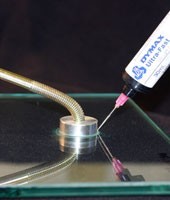
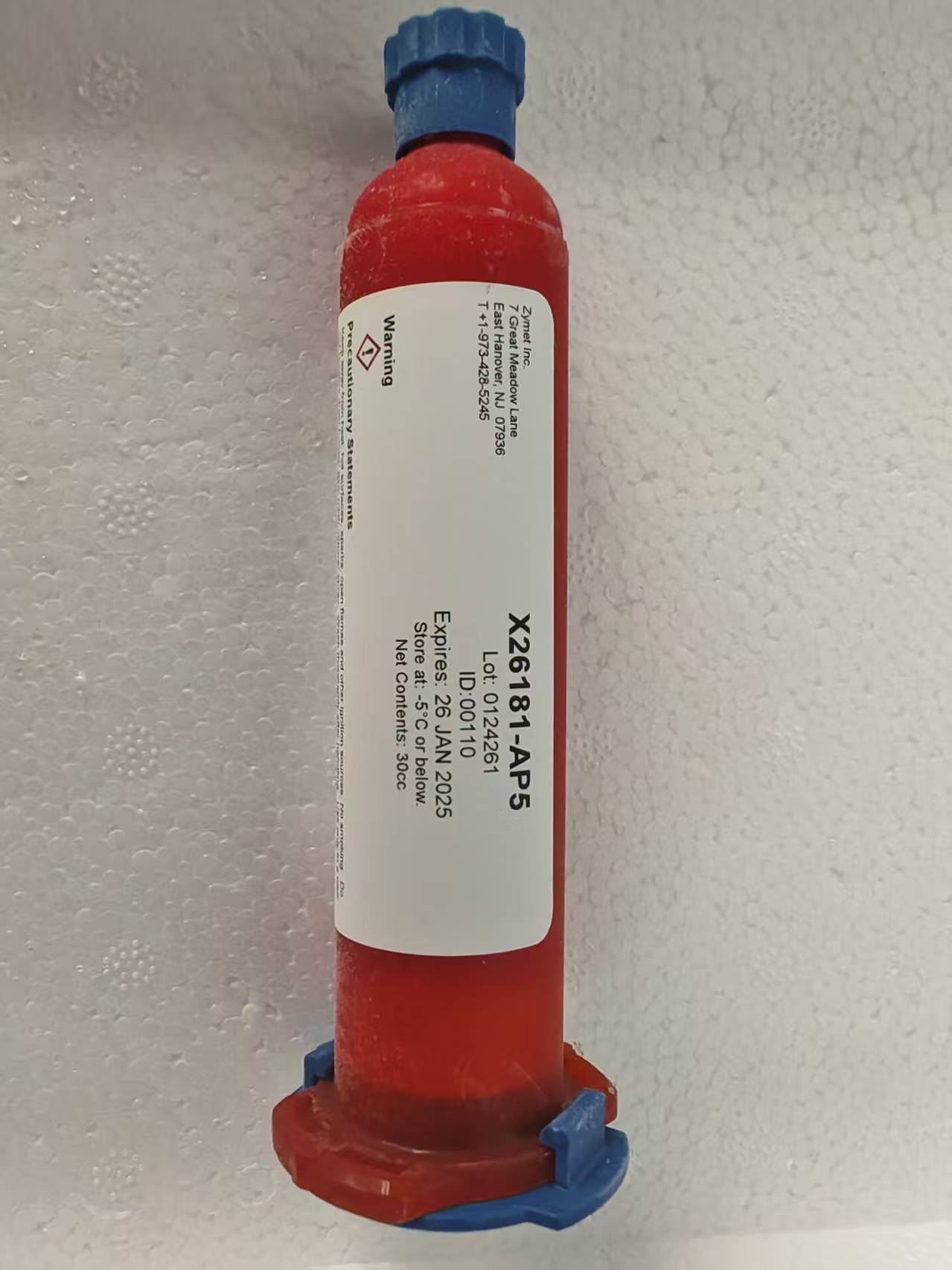
Another significant advantage is the ease of application. High thermal conductivity thermal gels are typically available in various forms, including syringes and tubs, allowing for precise application. This flexibility enables engineers and technicians to apply the gel effectively, ensuring complete coverage of the surfaces in need of thermal management.
In conclusion, high thermal conductivity thermal gel is a versatile and vital material in today’s technology-driven world. Its ability to enhance heat transfer, adapt to various applications, and ensure the reliability of critical components makes it a preferred choice in numerous industries. Understanding its properties and applications can help businesses optimize their thermal management solutions and improve their overall product performance. As technology advances, the role of high thermal conductivity thermal gel will undoubtedly expand, paving the way for even greater innovations in thermal management.
Related Information








Contact Information
Sanligao (Hong Kong) Co., Ltd.
Room A059, 15/F, Block A, Wah Sang Building, 14-18 Wong Chuk Yeung Street, ShaTin District, New Territories, Hong Kong
Tel:+85 259633311
Email:sales@sanligao.com
Sanligao (Vietnam) Co., Ltd.
Room 105, 1st Floor, Office Building, No. 22 Li Taizu Street, Dafu Fang, Beining City, Beining Province, Vietnam
TEL:+84-388882610
Email: sales@sanligao.com
Shenzhen Sanligao Technology Co., Ltd.
Room 506, Zhaoye Industrial Park, No. 172, Huanguan Middle Road, Songxuan Community, Guanhu Street, Longhua District, Shenzhen
Tel:0755-83155700
Email:sales@sanligao.com
Sanligao Technology (Dongguan) Co., Ltd.
Room 1306, Building 8, Jindi Zihui Port, No. 95, Jiaoping Avenue, Tangxia Town, Dongguan
Tel:0769-82960500
Email: sales@sanligao.com