 China:+86 13509643690



Zymet X2852: Boost IC Packaging Reliability Against Thermal and Mechanical Stress
2026-10-09


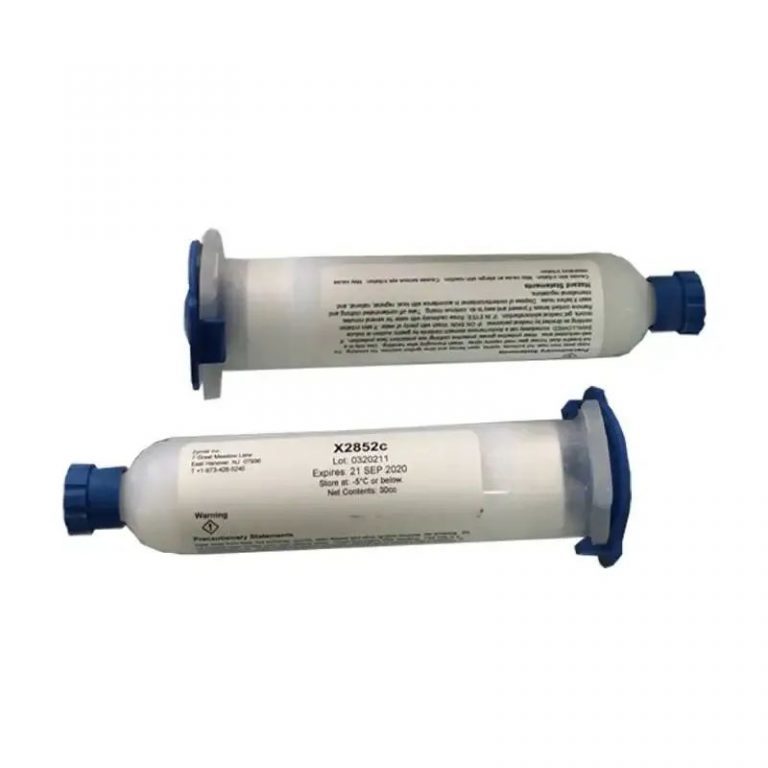
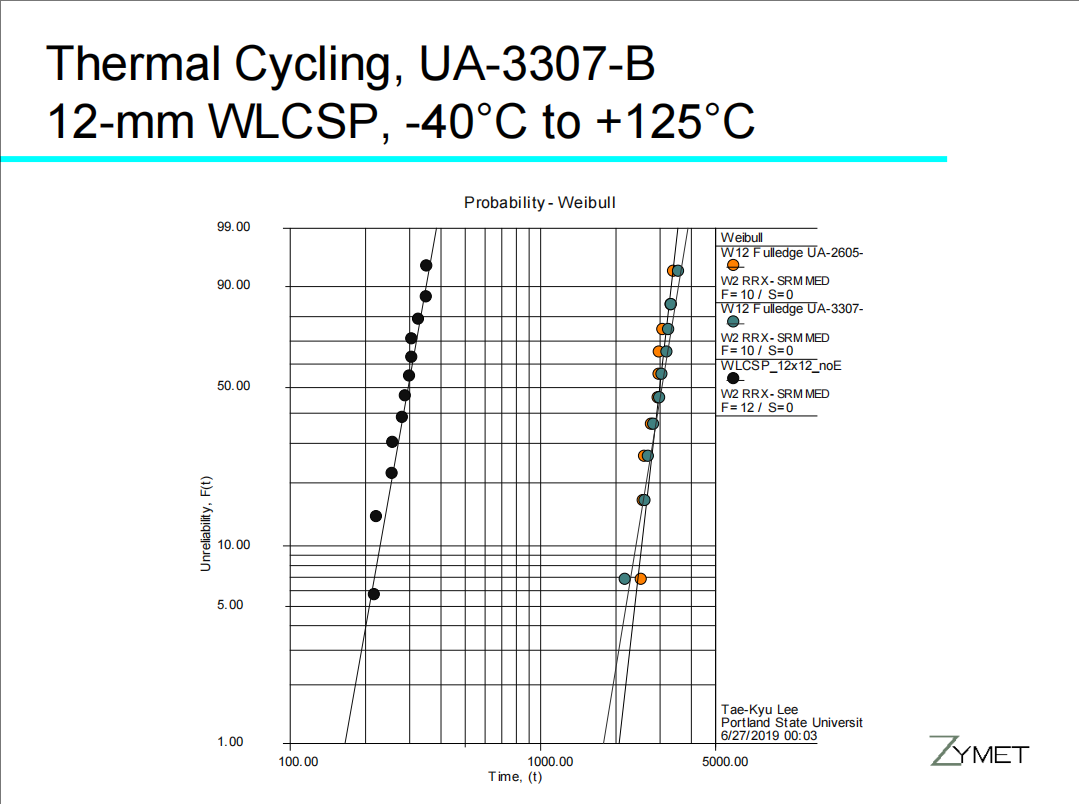
Zymet X2852 supports reliable IC packaging by helping protect solder joints against drop impact, shock, and vibration. As electronic devices become smaller and more densely integrated, solder joint reliability (BLR) becomes increasingly important. Bottom-filling adhesive flows beneath chips to reinforce the connection between components and substrates, helping reduce mechanical stress and improve durability in demanding applications.
A key factor affecting BLR is the coefficient of thermal expansion (CTE). Differences in expansion between solder materials and surrounding structures can create stress during temperature changes. SAC solder has a typical CTE of 26 ppm/°C, while Sn-Bi solder is approximately 18 ppm/°C. Lower CTE may help reduce thermal mismatch in suitable designs, but overall reliability also depends on material properties, joint geometry, and operating conditions. Zymet X2852 can support packaging protection when properly matched to the assembly process.
For manufacturers of compact electronic devices, improving resistance to thermal cycling, vibration, and impact helps address concerns about solder cracking and premature failure. A suitable bottom-filling adhesive can reinforce vulnerable joints and support stable performance, helping reduce reliability risks in high-density IC packaging.
By combining precise under-chip filling with mechanical reinforcement, Zymet X2852 offers a potential solution for demanding electronic assemblies. Selecting the right adhesive and curing process helps manufacturers pursue stronger solder joint reliability and longer device service life.
Related Information






Contact Information
Sanligao (Hong Kong) Co., Ltd.
Room A059, 15/F, Block A, Wah Sang Building, 14-18 Wong Chuk Yeung Street, ShaTin District, New Territories, Hong Kong
Tel:+852 94279660
Email:sales@sanligao.com
Sanligao (Vietnam) Co., Ltd.
Room 105, 1st Floor, Office Building, No. 22 Li Taizu Street, Dafu Fang, Beining City, Beining Province, Vietnam
TEL:+84-388882610
Email: sales@sanligao.com
Shenzhen Sanligao Technology Co., Ltd.
Room 506, Zhaoye Industrial Park, No. 172, Huanguan Middle Road, Songxuan Community, Guanhu Street, Longhua District, Shenzhen
Tel:0755-83155700
Email:sales@sanligao.com
Sanligao Technology (Dongguan) Co., Ltd.
Room 1306, Building 8, Jindi Zihui Port, No. 95, Jiaoping Avenue, Tangxia Town, Dongguan
Tel:0769-82960500
Email: sales@sanligao.com