 China:+86 13509643690



Understanding UV Adhesives for Effective Glass Bonding
2026-05-16


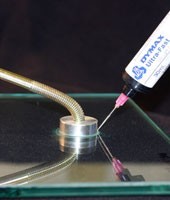
UV adhesives have become increasingly popular in the field of glass bonding due to their unique properties and performance advantages. These adhesives are formulated to cure rapidly when exposed to ultraviolet light, allowing for quick setups and strong bonds in various glass applications. Understanding the intricacies of UV adhesives can significantly enhance your projects, whether you’re working in manufacturing, construction, or artistic endeavors.
One of the primary advantages of UV adhesives for glass bonding is their exceptional clarity and aesthetic finish. Unlike traditional adhesives that may leave visible residues or distortions, UV adhesives cure to a transparent finish, maintaining the visual integrity of the glass. This makes them ideal for applications such as glass displays, decorative pieces, and even architectural elements where appearance is crucial.
When selecting a UV adhesive for glass bonding, consider factors such as viscosity and cure time. High-viscosity adhesives are suitable for vertical applications, as they resist sagging and can hold the glass pieces in place during the curing process. Conversely, low-viscosity options may be preferred for filling gaps or for applications requiring a more fluid adhesive that can flow into small crevices.
Curing time is another critical factor. Most UV adhesives achieve full bond strength within seconds to minutes upon exposure to UV light. However, ensure that the adhesive is properly cured to avoid the risk of adhesive failure. It's advisable to use a UV light source that matches the adhesive's requirements for optimal results.
Another important consideration is the adhesive's resistance to environmental factors. UV adhesives are often formulated to withstand moisture, temperature changes, and UV exposure, making them suitable for both indoor and outdoor applications. This durability is particularly beneficial in settings where glass products are subject to varying conditions.
For optimal bonding results, proper surface preparation is essential. Ensure that the glass surfaces are clean, free of dust, oil, and other contaminants. Surface treatments, such as abrasion or the application of primers, may enhance adhesion by increasing the surface area available for bonding.
In conclusion, UV adhesives for glass bonding offer a range of benefits, including rapid curing, aesthetic clarity, and resistance to environmental challenges. By understanding the properties and applications of these adhesives, you can make informed decisions that elevate the quality and durability of your glass projects. Whether you’re a professional in the industry or a hobbyist, leveraging the advantages of UV adhesives will enhance your glass bonding processes significantly.
Related Information







Contact Information
Sanligao (Hong Kong) Co., Ltd.
Room A059, 15/F, Block A, Wah Sang Building, 14-18 Wong Chuk Yeung Street, ShaTin District, New Territories, Hong Kong
Tel:+85 259633311
Email:sales@sanligao.com
Sanligao (Vietnam) Co., Ltd.
Room 105, 1st Floor, Office Building, No. 22 Li Taizu Street, Dafu Fang, Beining City, Beining Province, Vietnam
TEL:+84-388882610
Email: sales@sanligao.com
Shenzhen Sanligao Technology Co., Ltd.
Room 506, Zhaoye Industrial Park, No. 172, Huanguan Middle Road, Songxuan Community, Guanhu Street, Longhua District, Shenzhen
Tel:0755-83155700
Email:sales@sanligao.com
Sanligao Technology (Dongguan) Co., Ltd.
Room 1306, Building 8, Jindi Zihui Port, No. 95, Jiaoping Avenue, Tangxia Town, Dongguan
Tel:0769-82960500
Email: sales@sanligao.com