 China:+86 13509643690



Mastering UV Glue Application for Optical Lenses: Essential Tips and Techniques
2026-06-30


Mastering UV Glue Application for Optical Lenses: Essential Tips and Techniques
Introduction to UV Glue and Its Role in Optical Lenses
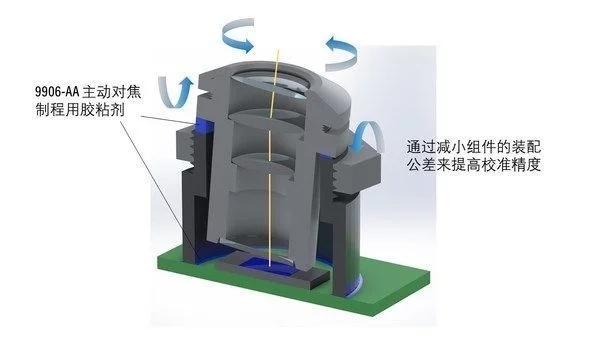
Optical lenses are an integral part of various devices used in everyday life, from glasses to cameras. The application of **UV glue** in these lenses is crucial for ensuring durability and clarity. **UV adhesive** provides the necessary bonding strength and optical clarity required for high-performance lenses. Understanding how to apply this glue effectively is vital for both professionals and enthusiasts in the optics industry.
What is UV Glue?
UV glue is a type of adhesive that cures when exposed to ultraviolet light. It is preferred in the optical industry due to its quick curing time and strong bonding capabilities. This adhesive is particularly useful for materials that require transparency, as it does not yellow over time, ensuring that the optical quality of the lens is maintained.
Types of UV Glue for Optical Applications
There are several types of UV glues available for optical lens applications:
- **Low-Viscosity UV Glue**: Ideal for thin bond lines and precision applications.
- **High-Viscosity UV Glue**: Suitable for filling gaps and providing a thicker bond line.
- **Optically Clear UV Glue**: Specifically designed for applications where clarity is paramount.
- **Flexible UV Glue**: Offers elasticity, making it suitable for lenses that may experience movement or vibration.
Preparing for UV Glue Application
Before diving into the application process, proper preparation is essential. This ensures optimal adhesion and longevity of the bond.
Selecting the Right Materials
Choosing the right type of **UV glue** is pivotal. Consider the following factors:
- **Lens Material**: Ensure compatibility with the lens substrate, whether it’s glass, polycarbonate, or acrylic.
- **Environmental Conditions**: Assess the conditions in which the lens will be used, such as exposure to heat or moisture.
Cleansing the Surfaces
Thoroughly clean the surfaces to be bonded. Any contaminants like dust, oil, or fingerprints can inhibit adhesion. Use an appropriate solvent, such as isopropyl alcohol, to prepare the surfaces.
Cleaning Steps
1. **Wipe with a lint-free cloth**: This prevents the introduction of fibers.
2. **Apply solvent**: Lightly moisten the cloth with isopropyl alcohol and wipe the surfaces.
3. **Allow to dry**: Ensure the surfaces are completely dry before proceeding.
Effective Application Techniques for UV Glue
Once preparation is complete, the next step is the careful application of **UV glue**.
Applying the Adhesive
- **Be Precise**: Use a syringe or a fine-tipped applicator for applying UV glue. This allows for precision and minimizes excess adhesive.
- **Apply Evenly**: Ensure a uniform layer without bubbles or gaps, which can compromise the bond.
Adjusting Positioning Before Curing
Position the lens and allow slight adjustments before the curing begins. This step is crucial for achieving the desired alignment, especially in complex optical assemblies.
Curing the UV Glue
Curing is a critical phase that transforms the liquid adhesive into a robust bond.
Understanding the Curing Process
UV glue requires exposure to UV light for curing. The duration and intensity depend on the glue formulation and thickness of the adhesive layer.
Steps for Effective Curing
1. **Place under UV lamp**: Position the lens directly under the UV light source.
2. **Follow manufacturer instructions**: Adhere to the recommended curing time and distance from the light source.
3. **Check for full cure**: Ensure that the adhesive has fully cured before handling the lenses.
Post-Application Care and Testing
After curing, it's essential to handle the lenses with care.
Inspecting the Bond
- **Visual Inspection**: Look for any imperfections or inconsistencies in the bond.
- **Strength Testing**: Conduct necessary strength tests to ensure the bond meets required standards.
Cleaning and Maintenance of Cured Lenses
Post-application, maintain the lenses by cleaning them with suitable optical cleaners. Avoid abrasive materials that can scratch the surface.
Common Mistakes to Avoid with UV Glue Application
Understanding potential pitfalls can significantly enhance the success rate of your projects.
Over-Application of Adhesive
Applying too much adhesive can lead to excess that squeezes out during curing. This can result in unsightly residue and can compromise optical clarity.
Inadequate Curing Time
Rushing the curing process can result in weak bonds. Always follow the manufacturer’s guidelines for curing times.
Frequently Asked Questions (FAQs)
1. What types of surfaces can UV glue bond effectively?
UV glue can bond various surfaces including glass, plastic, and metal. Always ensure surface compatibility.
2. How long does UV glue take to cure?
Curing time varies depending on the formulation, but it typically ranges from a few seconds to several minutes under a UV light source.
3. Can UV glue be used for outdoor applications?
Yes, many UV glues are designed to withstand environmental conditions, but it's crucial to choose a formulation suitable for outdoor use.
4. Is UV glue safe to use?
While UV glue is generally safe, proper safety precautions should be taken, such as using gloves and ensuring adequate ventilation during application.
5. How do I clean UV glue from surfaces?
Uncured UV glue can be cleaned with solvents like isopropyl alcohol. Once cured, mechanical removal or specialized solvents may be necessary.
Conclusion
Applying **UV glue** in optical lenses can be a straightforward process if approached with the right knowledge and techniques. By selecting the appropriate adhesive, thoroughly preparing surfaces, and following proper application and curing methods, you can achieve outstanding results. Avoid common pitfalls, and maintain your lenses for longevity and clarity. Master these techniques, and you'll elevate your optical projects to a professional level, ensuring durability and performance.
Related Information




Integrity Professionalism Efficiency Win-Win
We aim to be the leading one-stop chemical solution provider in China and Southeast Asia!!!
Contact Information
Sanligao (Hong Kong) Co., Ltd.
Room A059, 15/F, Block A, Wah Sang Building, 14-18 Wong Chuk Yeung Street, ShaTin District, New Territories, Hong Kong
Tel:+85 259633311
Email:sales@sanligao.com
Sanligao (Vietnam) Co., Ltd.
Room 105, 1st Floor, Office Building, No. 22 Li Taizu Street, Dafu Fang, Beining City, Beining Province, Vietnam
TEL:+84-388882610
Email: sales@sanligao.com
Shenzhen Sanligao Technology Co., Ltd.
Room 506, Zhaoye Industrial Park, No. 172, Huanguan Middle Road, Songxuan Community, Guanhu Street, Longhua District, Shenzhen
Tel:0755-83155700
Email:sales@sanligao.com
Sanligao Technology (Dongguan) Co., Ltd.
Room 1306, Building 8, Jindi Zihui Port, No. 95, Jiaoping Avenue, Tangxia Town, Dongguan
Tel:0769-82960500
Email: sales@sanligao.com