 China:+86 13509643690



Unlocking the Power of UV Adhesives for Optimal Glass Bonding
2026-07-05


One of the primary advantages of using UV adhesives for glass bonding is the speed of the curing process. With a typical setup time of just a few seconds to minutes, manufacturers can significantly increase production efficiency. This rapid curing not only saves time but also minimizes the risk of dust and other contaminants affecting the bond during the drying phase.
Another noteworthy benefit of UV adhesives is their ability to create clear, invisible bonds. This is particularly important in applications where aesthetics are crucial, such as in display cases or architectural glass. The optical clarity of UV adhesives ensures that the bond does not detract from the visual appeal of the glass products. Additionally, these adhesives often exhibit excellent resistance to environmental factors, such as moisture and temperature fluctuations, which can compromise bond integrity.
When selecting UV adhesives for glass bonding, it is essential to consider factors such as viscosity, cure speed, and adhesion strength. High-viscosity formulations may be beneficial for filling gaps in uneven surfaces, while low-viscosity options can provide a smooth finish for more precise applications. It’s also important to match the adhesive’s cure speed with the production workflow to ensure optimal efficiency.
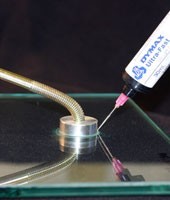
In terms of application techniques, UV adhesives can be applied using various methods, including dispensing systems and manual application. The choice of application method may depend on the scale of production and the complexity of the glass components being bonded. Ensuring that surfaces are thoroughly cleaned and prepared before application can also enhance the performance of UV adhesives.
Furthermore, safety considerations should not be overlooked. While UV adhesives are generally safe to use, proper handling and UV shielding are necessary to protect workers from prolonged exposure to UV light. Manufacturers should adhere to regulatory guidelines and industry best practices to ensure a safe working environment.
In conclusion, UV adhesives for glass bonding represent a highly effective and efficient solution in the adhesive industry. Their quick curing time, aesthetic appeal, and strong performance make them an invaluable tool for glass manufacturers and fabricators. As the demand for high-quality glass products continues to grow, understanding the benefits and applications of UV adhesives will empower professionals to achieve superior bonding results.
Related Information







Contact Information
Sanligao (Hong Kong) Co., Ltd.
Room A059, 15/F, Block A, Wah Sang Building, 14-18 Wong Chuk Yeung Street, ShaTin District, New Territories, Hong Kong
Tel:+85 259633311
Email:sales@sanligao.com
Sanligao (Vietnam) Co., Ltd.
Room 105, 1st Floor, Office Building, No. 22 Li Taizu Street, Dafu Fang, Beining City, Beining Province, Vietnam
TEL:+84-388882610
Email: sales@sanligao.com
Shenzhen Sanligao Technology Co., Ltd.
Room 506, Zhaoye Industrial Park, No. 172, Huanguan Middle Road, Songxuan Community, Guanhu Street, Longhua District, Shenzhen
Tel:0755-83155700
Email:sales@sanligao.com
Sanligao Technology (Dongguan) Co., Ltd.
Room 1306, Building 8, Jindi Zihui Port, No. 95, Jiaoping Avenue, Tangxia Town, Dongguan
Tel:0769-82960500
Email: sales@sanligao.com