 China:+86 13509643690



How UV Curing Adhesives Revolutionize Durability in Electronic Products
2026-05-21


How UV Curing Adhesives Revolutionize Durability in Electronic Products
Table of Contents
1. Introduction to UV Curing Adhesives
2. The Science Behind UV Curing Technology
2.1 What are UV Curing Adhesives?
2.2 The Curing Process Explained
3. Benefits of Using UV Curing Adhesives in Electronics
3.1 Enhanced Durability and Reliability
3.2 Faster Production Times
3.3 Improved Environmental Resistance
4. Applications of UV Curing Adhesives in Electronics
4.1 Bonding Components in Circuit Boards
4.2 Encapsulation of Sensitive Electronics
4.3 Adhesion in Display Manufacturing
5. Comparing UV Curing Adhesives to Traditional Adhesives
5.1 Performance Metrics
5.2 Cost Efficiency
6. Future Trends in UV Curing Adhesive Technology
7. Frequently Asked Questions (FAQs)
7.1 What industries benefit the most from UV curing adhesives?
7.2 Are UV curing adhesives safe to use?
7.3 How do UV curing adhesives compare to epoxies?
7.4 Can UV curing adhesives be used in outdoor applications?
7.5 What factors influence the choice of UV curing adhesives?
8. Conclusion
1. Introduction to UV Curing Adhesives
In today's fast-evolving electronics industry, the quest for enhanced durability, efficiency, and performance is paramount. **UV curing adhesives** have emerged as a game-changer, offering unparalleled benefits in bonding and sealing applications. This article delves into how these innovative adhesives enhance the durability of electronic products, providing manufacturers with solutions that meet modern demands.
2. The Science Behind UV Curing Technology
Understanding the mechanics of UV curing adhesives is essential to appreciating their advantages.
2.1 What are UV Curing Adhesives?
UV curing adhesives are specialized formulations designed to harden or cure when exposed to ultraviolet (UV) light. Unlike traditional adhesives that rely on moisture or heat to cure, these adhesives undergo a photochemical reaction, leading to rapid bonding and curing.
2.2 The Curing Process Explained
The curing process involves the following key steps:
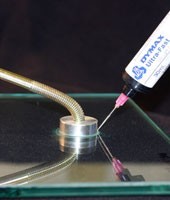
1. **Application**: The adhesive is applied to the surfaces that need to be bonded.
2. **Exposure to UV Light**: Once positioned, the adhesive is exposed to UV light, which triggers the curing process.
3. **Chemical Reaction**: The adhesive undergoes a transformation, solidifying into a robust bond in mere seconds.
4. **Final Bonding**: The result is a strong, durable bond that can withstand various environmental stresses.
3. Benefits of Using UV Curing Adhesives in Electronics
Utilizing UV curing adhesives in electronic manufacturing provides several advantages that are difficult to overlook.
3.1 Enhanced Durability and Reliability
UV curing adhesives create exceptionally strong bonds that enhance the overall durability of electronic products. This strength is crucial in environments where equipment may be subject to shocks, vibrations, and thermal cycling.
3.2 Faster Production Times
The quick curing time of UV adhesives significantly accelerates manufacturing processes. Manufacturers can complete bonding operations in seconds, which streamlines production and reduces lead times.
3.3 Improved Environmental Resistance
UV curing adhesives are often more resistant to moisture, chemicals, and temperature fluctuations compared to traditional adhesives. This resilience is especially important for electronic devices that may encounter harsh conditions.
4. Applications of UV Curing Adhesives in Electronics
The versatility of UV curing adhesives allows them to be used in numerous applications across the electronics industry.
4.1 Bonding Components in Circuit Boards
In circuit board assembly, UV curing adhesives are used to bond various components securely. This ensures that sensitive electronics remain intact and function optimally over extended periods.
4.2 Encapsulation of Sensitive Electronics
Encapsulation is critical for protecting sensitive electronic components from environmental factors. UV curing adhesives provide a protective layer that mitigates moisture ingress, dust, and other contaminants.
4.3 Adhesion in Display Manufacturing
In display manufacturing, UV curing adhesives are essential for bonding glass to LCD and LED panels. Their fast curing times and excellent clarity make them ideal for high-quality displays.
5. Comparing UV Curing Adhesives to Traditional Adhesives
When considering manufacturing adhesives, it’s vital to evaluate how UV curing adhesives stack up against traditional options.
5.1 Performance Metrics
In terms of performance, UV curing adhesives typically offer greater strength, faster curing times, and enhanced environmental resistance compared to conventional adhesives like polyurethanes or epoxies.
5.2 Cost Efficiency
While the initial cost of UV curing adhesives may be higher, the long-term benefits of reduced production times and improved durability can lead to overall cost savings for manufacturers.
6. Future Trends in UV Curing Adhesive Technology
The future of UV curing adhesives looks promising, with ongoing innovations expected to enhance their properties further. Advances in formulation chemistry are likely to yield adhesives with even greater strength, flexibility, and environmental resistance.
New developments in UV light technology may also improve curing efficiency, allowing for broader applications across various industries. As manufacturers continue to prioritize sustainability, eco-friendly UV curing adhesives could become more prevalent, offering performance without compromising environmental responsibility.
7. Frequently Asked Questions (FAQs)
7.1 What industries benefit the most from UV curing adhesives?
UV curing adhesives are widely used in electronics, automotive, medical devices, and aerospace industries, where durability and precision are critical.
7.2 Are UV curing adhesives safe to use?
When used according to manufacturer guidelines, UV curing adhesives are generally safe. They are cured using UV light, which is not harmful once the curing process is complete.
7.3 How do UV curing adhesives compare to epoxies?
While both UV curing adhesives and epoxies provide strong bonds, UV curing adhesives offer faster curing times and better resistance to environmental factors.
7.4 Can UV curing adhesives be used in outdoor applications?
Yes, UV curing adhesives can be formulated for outdoor use, offering resistance to UV radiation, moisture, and temperature variations.
7.5 What factors influence the choice of UV curing adhesives?
Factors include the materials being bonded, the required strength, environmental conditions, and specific application needs.
8. Conclusion
UV curing adhesives play an integral role in enhancing the durability and reliability of electronic products. Their rapid curing time, exceptional bonding strength, and resistance to environmental factors make them a preferred choice across various applications in the electronics sector. As technology continues to evolve, UV curing adhesives will likely lead the charge in improving manufacturing processes and product performance. Embracing these innovations positions manufacturers to meet the growing demands of modern technology, ensuring their products stand the test of time.
Related Information







Contact Information
Sanligao (Hong Kong) Co., Ltd.
Room A059, 15/F, Block A, Wah Sang Building, 14-18 Wong Chuk Yeung Street, ShaTin District, New Territories, Hong Kong
Tel:+85 259633311
Email:sales@sanligao.com
Sanligao (Vietnam) Co., Ltd.
Room 105, 1st Floor, Office Building, No. 22 Li Taizu Street, Dafu Fang, Beining City, Beining Province, Vietnam
TEL:+84-388882610
Email: sales@sanligao.com
Shenzhen Sanligao Technology Co., Ltd.
Room 506, Zhaoye Industrial Park, No. 172, Huanguan Middle Road, Songxuan Community, Guanhu Street, Longhua District, Shenzhen
Tel:0755-83155700
Email:sales@sanligao.com
Sanligao Technology (Dongguan) Co., Ltd.
Room 1306, Building 8, Jindi Zihui Port, No. 95, Jiaoping Avenue, Tangxia Town, Dongguan
Tel:0769-82960500
Email: sales@sanligao.com