
 China:+86 13509643690



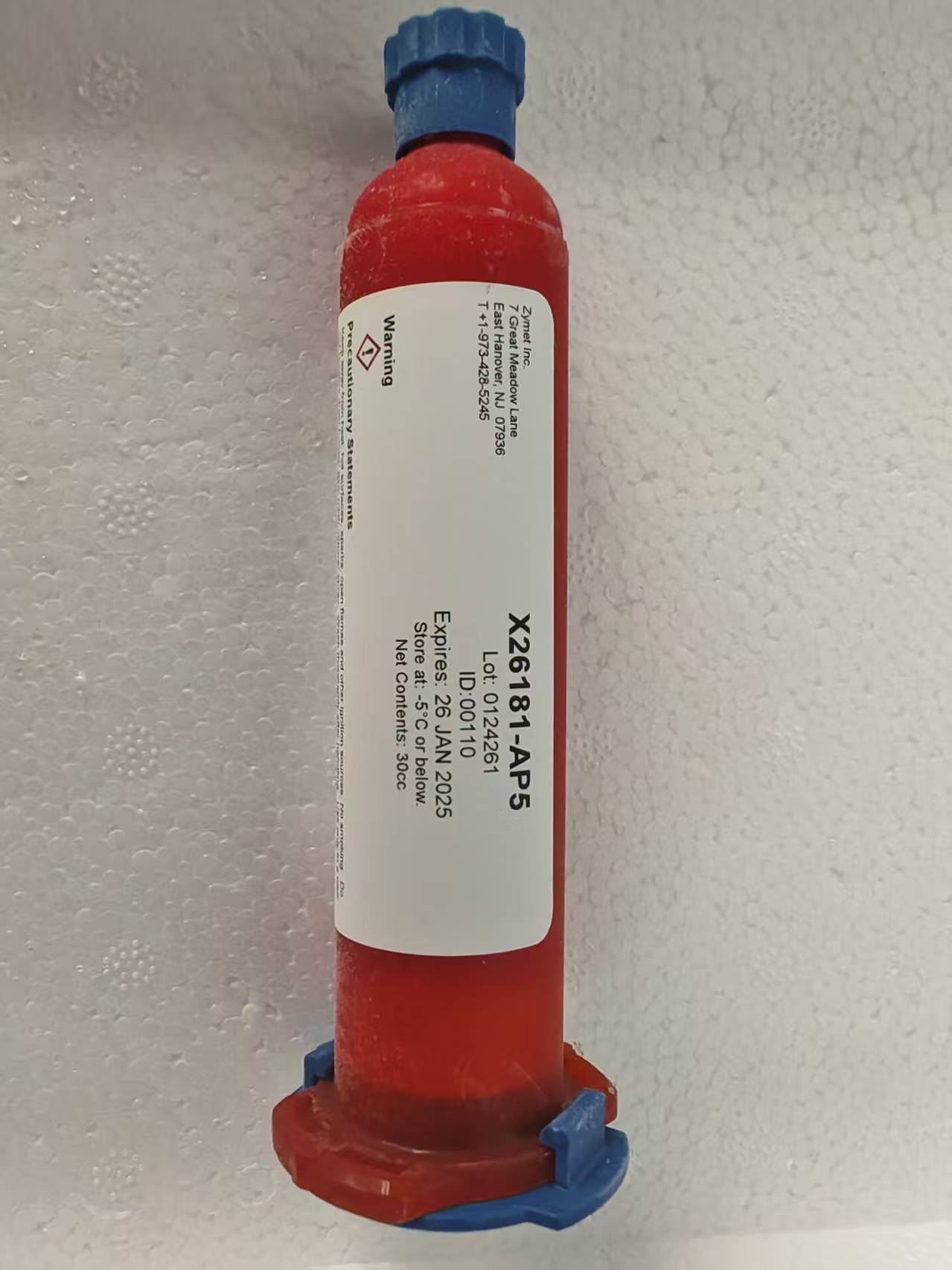
Understanding Rework Underfill Adhesives for Chip Applications
2026-08-22


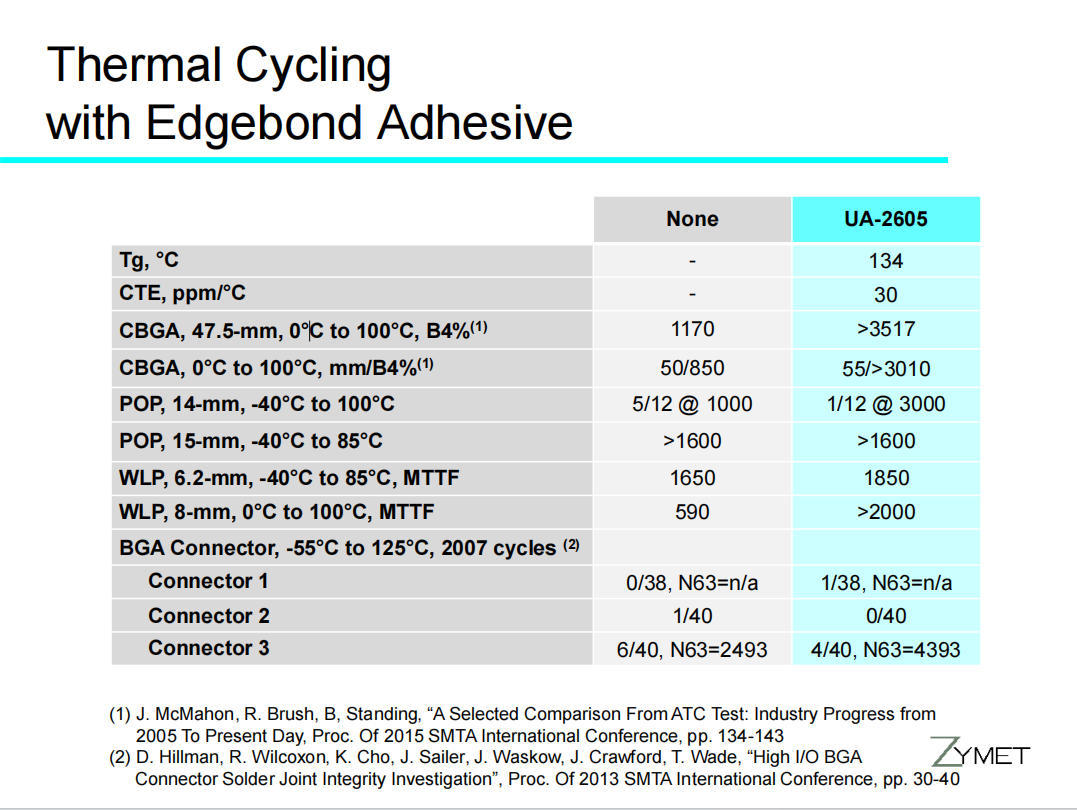
One of the primary advantages of rework underfill adhesives is their efficacy in enhancing the durability of electronic assemblies. They are designed to withstand thermal cycling, which is a common issue in electronic devices due to temperature fluctuations during operation. The right underfill adhesive can significantly reduce the risk of failure modes such as delamination or cracking, ensuring that the chips remain functional over extended periods.
When selecting a rework underfill adhesive, several factors must be considered to ensure optimal performance. Viscosity is a crucial property; an adhesive that flows too quickly may not provide adequate coverage, while one that is too thick may not penetrate the gaps effectively. Additionally, the adhesive's curing time and temperature are critical, as they should align with the manufacturing and rework processes to facilitate efficient assembly and repair.
Another vital aspect is the adhesive's compatibility with various substrates and solder types. It is essential to choose a rework underfill adhesive that adheres well to the materials used in the chip and substrate, which can vary significantly among different applications. Furthermore, the adhesive must exhibit excellent thermal and electrical insulation properties to prevent short circuits and other failures in the electronic assembly.
In recent years, advancements in adhesive technology have led to the development of more sophisticated rework underfill adhesives that offer enhanced properties such as lower moisture absorption and improved dimensional stability. These innovations are particularly beneficial in high-reliability applications, including automotive and aerospace electronics, where failure can have catastrophic consequences.
In summary, rework underfill adhesives play a pivotal role in the semiconductor industry by ensuring the reliability and longevity of chip applications. By understanding the properties, selection criteria, and advancements in adhesive technology, manufacturers can optimize their production processes and enhance the performance of their electronic devices. Whether dealing with new chip assemblies or requiring rework on existing units, the right underfill adhesive is crucial for achieving high-quality results and maintaining device integrity.
Related Information







Contact Information
Sanligao (Hong Kong) Co., Ltd.
Room A059, 15/F, Block A, Wah Sang Building, 14-18 Wong Chuk Yeung Street, ShaTin District, New Territories, Hong Kong
Tel:+85 259633311
Email:sales@sanligao.com
Sanligao (Vietnam) Co., Ltd.
Room 105, 1st Floor, Office Building, No. 22 Li Taizu Street, Dafu Fang, Beining City, Beining Province, Vietnam
TEL:+84-388882610
Email: sales@sanligao.com
Shenzhen Sanligao Technology Co., Ltd.
Room 506, Zhaoye Industrial Park, No. 172, Huanguan Middle Road, Songxuan Community, Guanhu Street, Longhua District, Shenzhen
Tel:0755-83155700
Email:sales@sanligao.com
Sanligao Technology (Dongguan) Co., Ltd.
Room 1306, Building 8, Jindi Zihui Port, No. 95, Jiaoping Avenue, Tangxia Town, Dongguan
Tel:0769-82960500
Email: sales@sanligao.com