 China:+86 13509643690


The Essential Guide to Medical Grade UV Adhesives: Understanding Their Applications and Benefits
2026-06-15


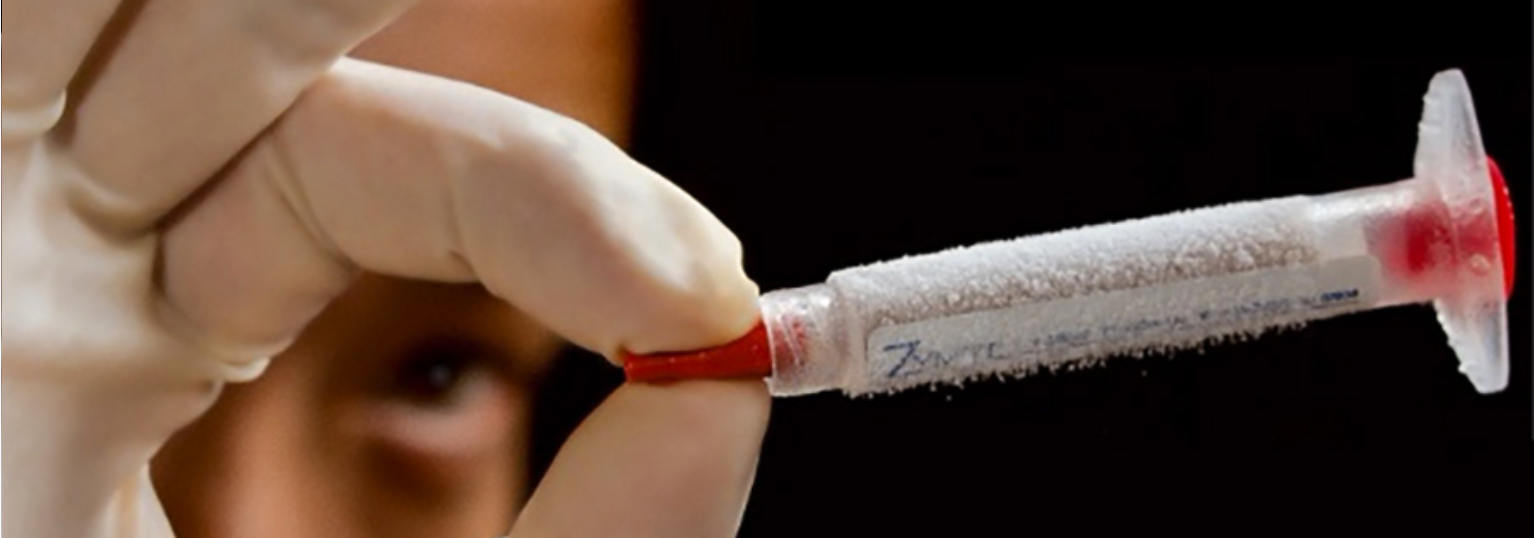
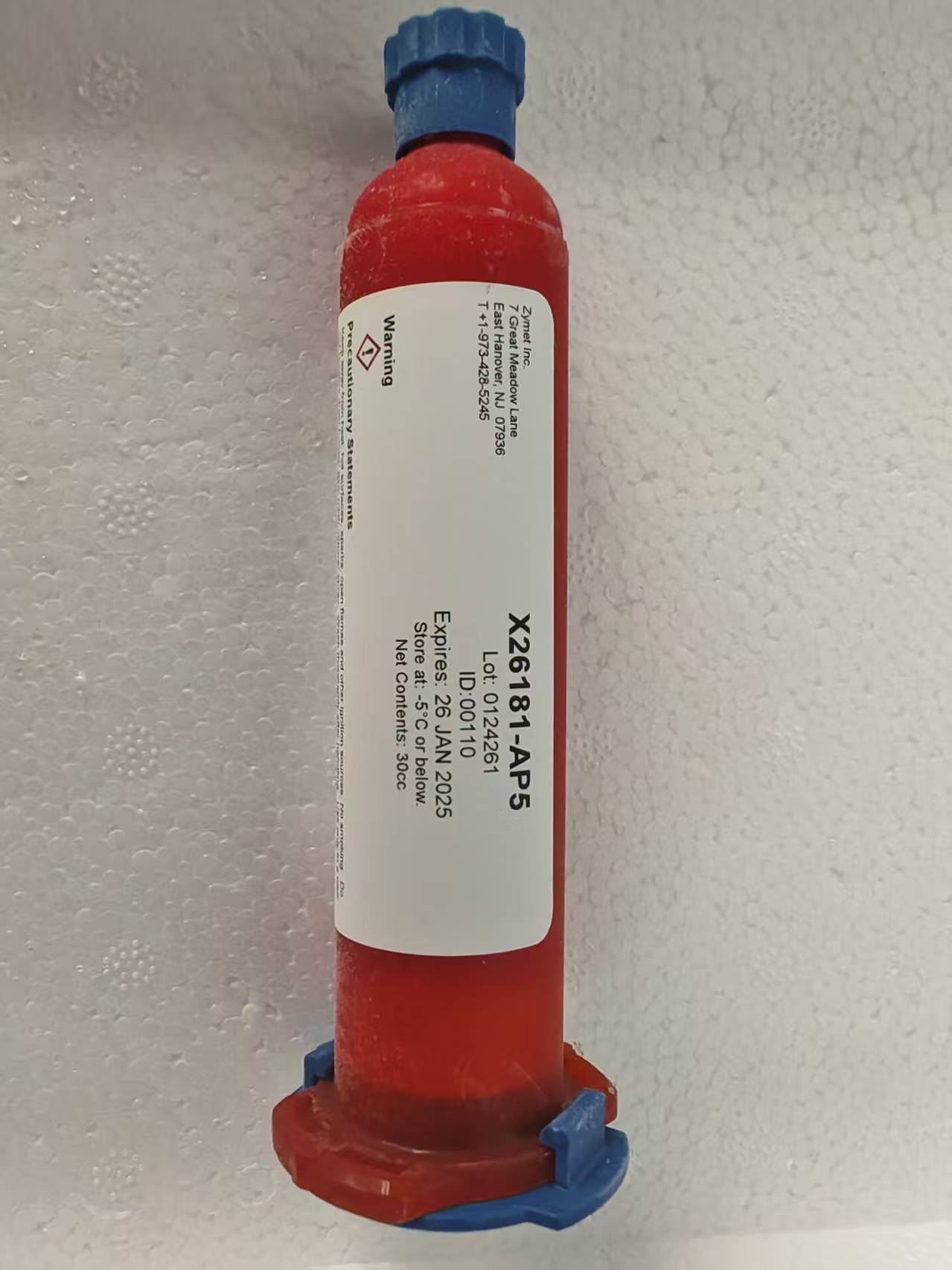
One of the defining features of medical grade UV adhesives is their ability to cure rapidly upon exposure to ultraviolet light. This quick curing process not only accelerates production timelines but also enhances workflow efficiency. Medical device manufacturers, for instance, can benefit significantly from this property, as it allows for faster assembly of components, reducing overall manufacturing costs while maintaining quality.
In addition to rapid curing, medical grade UV adhesives offer remarkable bonding strength and durability. They are formulated to provide excellent adhesion to various substrates, including plastics, metals, and glass. This versatility makes them suitable for a wide range of medical applications, from bonding components in diagnostic devices to securing attachments in surgical instruments. The robustness of these adhesives ensures that they can withstand the rigors of sterilization processes and the operational demands of medical environments.
Another critical advantage of medical grade UV adhesives is their low toxicity and biocompatibility. Given the sensitive nature of medical applications, it is vital that adhesives do not pose any risks to patients or healthcare providers. These adhesives undergo rigorous testing to ensure compliance with international safety standards, making them a reliable choice in the medical field.
Furthermore, medical grade UV adhesives are resistant to moisture, chemicals, and temperature variations, contributing to their longevity and effectiveness in various environments. This resilience is especially important in applications where adhesives are exposed to harsh conditions, ensuring that the bond remains intact over time.
Moreover, the transparency of many medical grade UV adhesives allows for aesthetic considerations in design, particularly in consumer-facing medical devices where appearance can impact user acceptance. The clarity of these adhesives ensures that they do not interfere with the visual aspects of the final product, maintaining a clean and professional look.
In conclusion, medical grade UV adhesives are a vital component in the adhesive industry, specifically tailored for applications requiring high standards of safety, performance, and reliability. Their rapid curing, strong adhesion, and biocompatibility make them an indispensable choice for professionals in the medical sector. As the demand for advanced medical devices continues to rise, the role of medical grade UV adhesives will undoubtedly expand, paving the way for innovations that enhance patient care and improve healthcare outcomes.
Related Information




Integrity Professionalism Efficiency Win-Win
We aim to be the leading one-stop chemical solution provider in China and Southeast Asia!!!
Contact Information
Sanligao (Hong Kong) Co., Ltd.
Room A059, 15/F, Block A, Wah Sang Building, 14-18 Wong Chuk Yeung Street, ShaTin District, New Territories, Hong Kong
Tel:+85 259633311
Email:sales@sanligao.com
Sanligao (Vietnam) Co., Ltd.
Room 105, 1st Floor, Office Building, No. 22 Li Taizu Street, Dafu Fang, Beining City, Beining Province, Vietnam
TEL:+84-388882610
Email: sales@sanligao.com
Shenzhen Sanligao Technology Co., Ltd.
Room 506, Zhaoye Industrial Park, No. 172, Huanguan Middle Road, Songxuan Community, Guanhu Street, Longhua District, Shenzhen
Tel:0755-83155700
Email:sales@sanligao.com
Sanligao Technology (Dongguan) Co., Ltd.
Room 1306, Building 8, Jindi Zihui Port, No. 95, Jiaoping Avenue, Tangxia Town, Dongguan
Tel:0769-82960500
Email: sales@sanligao.com