
 China:+86 13509643690



Understanding Rework Underfill Adhesive for Chips: The Essential Guide
2025-09-17


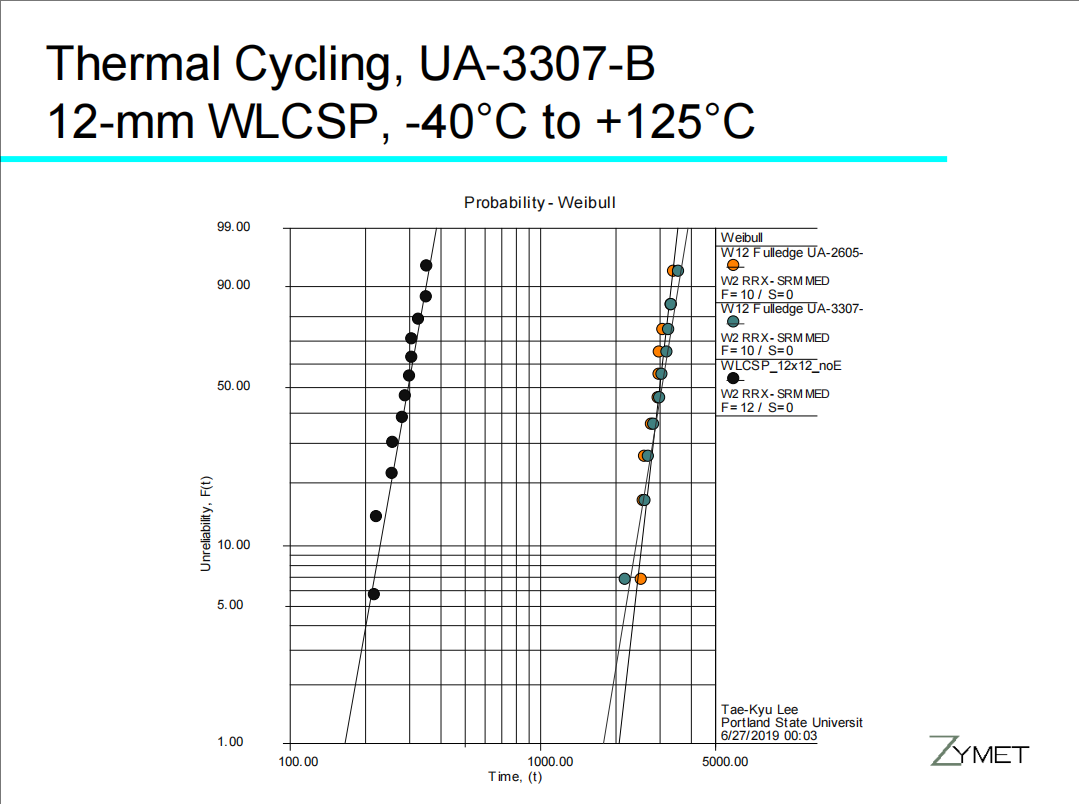
Rework underfill adhesives serve multiple purposes. Primarily, they help to reduce the thermal and mechanical stresses that chips experience during operation. By effectively bonding the chip to the substrate, these adhesives prevent delamination and mitigate the risk of failure due to thermal cycling. This is particularly important in applications where chips are subjected to significant temperature fluctuations, as it ensures the long-term durability of the device.
Another critical aspect of rework underfill adhesives is their ability to facilitate repair processes. In the fast-paced world of electronics, devices often require rework due to defects or upgrades. Rework underfill adhesives are formulated to be compatible with various soldering techniques and can be easily removed when necessary. This reworkability is a vital feature, as it allows technicians to address issues without needing to replace entire components, thus saving time and resources.
When selecting a rework underfill adhesive, several factors should be considered. The viscosity of the adhesive is crucial, as it affects its flow characteristics and ability to fill gaps effectively. Additionally, the curing time and temperature are important parameters that can influence the overall production efficiency. A fast-curing adhesive may be desirable in high-volume manufacturing environments, while others might prioritize longer working times for precise applications.
Moreover, the chemical composition of the underfill adhesive can significantly impact its performance. Different formulations may provide varying levels of adhesion, thermal stability, and resistance to environmental factors such as moisture and chemicals. It is essential to choose an adhesive that aligns with the specific requirements of the application and the materials involved.
In summary, rework underfill adhesives for chips play a crucial role in ensuring the performance and reliability of electronic devices. Their unique properties not only enhance the bonding between chips and substrates but also facilitate repair processes, making them indispensable in the electronics industry. By understanding the key features and considerations associated with these adhesives, professionals can make informed decisions that contribute to the success of their projects, ultimately leading to better-performing products in the market.
Related Information





Contact Information
Sanligao (Hong Kong) Co., Ltd.
Room A059, 15/F, Block A, Wah Sang Building, 14-18 Wong Chuk Yeung Street, ShaTin District, New Territories, Hong Kong
Tel:+852 94279660
Email:sales@sanligao.com
Sanligao (Vietnam) Co., Ltd.
Room 105, 1st Floor, Office Building, No. 22 Li Taizu Street, Dafu Fang, Beining City, Beining Province, Vietnam
TEL:+84-388882610
Email: sales@sanligao.com
Shenzhen Sanligao Technology Co., Ltd.
Room 506, Zhaoye Industrial Park, No. 172, Huanguan Middle Road, Songxuan Community, Guanhu Street, Longhua District, Shenzhen
Tel:0755-83155700
Email:sales@sanligao.com
Sanligao Technology (Dongguan) Co., Ltd.
Room 1306, Building 8, Jindi Zihui Port, No. 95, Jiaoping Avenue, Tangxia Town, Dongguan
Tel:0769-82960500
Email: sales@sanligao.com