 China:+86 13509643690



Understanding Rework Underfill Adhesive for Chips: Enhancing Performance and Reliability
2026-02-11


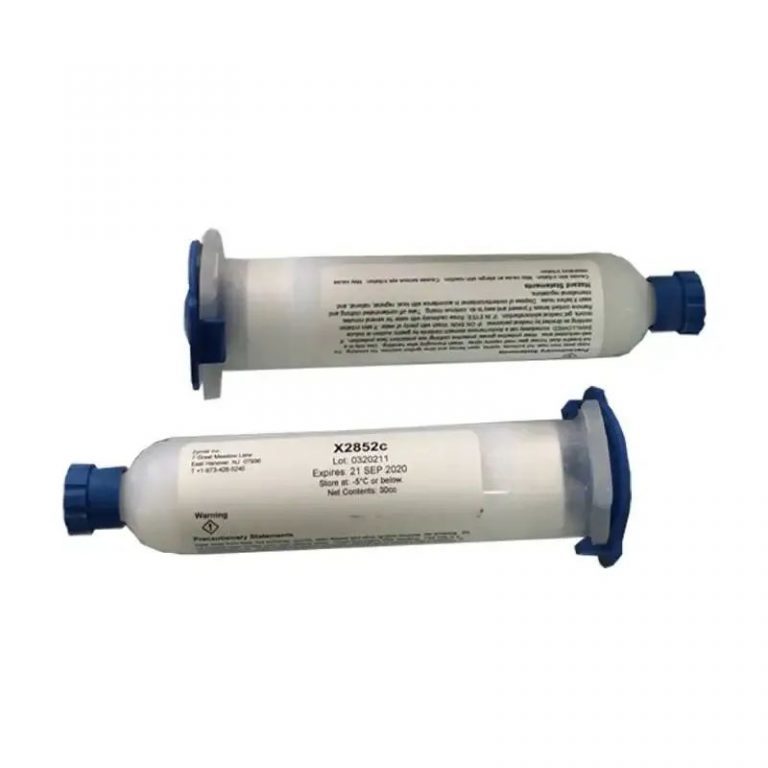
One of the significant advantages of using rework underfill adhesive is its ability to absorb shocks and stresses that chips encounter over time. By effectively distributing thermal and mechanical stresses, these adhesives help prevent delamination and cracking, which can compromise the integrity of the chip. Additionally, rework underfill adhesives are designed to withstand varying temperature conditions, making them suitable for different environments where electronic devices operate.
When it comes to the reworkability aspect of these adhesives, they are formulated to allow for easy removal and replacement of chips during repair processes. This is particularly important in scenarios where a chip may need to be replaced due to failure or upgrades. The rework process is simplified, as the adhesive can be softened or removed without damaging the chip or the substrate, thus saving time and reducing costs associated with repairs.
Moreover, the formulation of rework underfill adhesives has evolved significantly, incorporating advanced materials that enhance performance. These formulations often include properties such as low viscosity for better flow during application and high thermal conductivity to ensure efficient heat dissipation. Such characteristics make them indispensable in high-performance applications where thermal management is critical.
In addition to mechanical protection and reworkability, the adhesive also offers electrical insulation, preventing any short circuits caused by moisture or contaminants. This is particularly significant in densely packed electronic assemblies where space is at a premium, and the risk of failures can increase substantially.
In conclusion, rework underfill adhesive for chips is an essential component in modern electronics manufacturing and repair. Its ability to enhance chip reliability, facilitate easier rework, and provide essential protection against environmental factors makes it a critical material for manufacturers and repair technicians alike. Understanding the properties and benefits of these adhesives can help industry professionals make informed decisions in their applications, ensuring the longevity and performance of electronic devices.
Related Information





Integrity Professionalism Efficiency Win-Win
We aim to be the leading one-stop chemical solution provider in China and Southeast Asia!!!
Contact Information
Sanligao (Hong Kong) Co., Ltd.
Room A059, 15/F, Block A, Wah Sang Building, 14-18 Wong Chuk Yeung Street, ShaTin District, New Territories, Hong Kong
Tel:+85 259633311
Email:sales@sanligao.com
Sanligao (Vietnam) Co., Ltd.
Room 105, 1st Floor, Office Building, No. 22 Li Taizu Street, Dafu Fang, Beining City, Beining Province, Vietnam
TEL:+84-388882610
Email: sales@sanligao.com
Shenzhen Sanligao Technology Co., Ltd.
Room 506, Zhaoye Industrial Park, No. 172, Huanguan Middle Road, Songxuan Community, Guanhu Street, Longhua District, Shenzhen
Tel:0755-83155700
Email:sales@sanligao.com
Sanligao Technology (Dongguan) Co., Ltd.
Room 1306, Building 8, Jindi Zihui Port, No. 95, Jiaoping Avenue, Tangxia Town, Dongguan
Tel:0769-82960500
Email: sales@sanligao.com