 China:+86 13509643690



Unlocking the Benefits of Silicone Adhesive Sealants in Electronic Applications
2025-09-30


Unlocking the Benefits of Silicone Adhesive Sealants in Electronic Applications
Table of Contents
- 1. Introduction to Silicone Adhesive Sealants
- 2. Key Features of Silicone Adhesive Sealants
- 3. Advantages of Using Silicone Adhesive Sealants in Electronics
- 4. Common Applications in the Electronics Industry
- 5. Unique Properties That Enhance Performance
- 6. Comparing Silicone Adhesive Sealants with Other Adhesives
- 7. Safety Considerations When Using Silicone Sealants
- 8. The Future of Silicone Adhesive Sealants in Electronics
- 9. Frequently Asked Questions
- 10. Conclusion
1. Introduction to Silicone Adhesive Sealants
In the rapidly evolving world of electronics, the need for reliable, high-performance materials is paramount. **Silicone adhesive sealants** have emerged as a crucial component in this industry. Unlike traditional adhesives, silicone sealants offer exceptional flexibility and resistance to environmental factors, making them ideal for various electronic applications. This article dives into the numerous benefits and unique features of silicone adhesive sealants, exploring how they enhance the performance and durability of electronic devices.
2. Key Features of Silicone Adhesive Sealants
Silicone adhesive sealants are known for several key features that make them particularly suited for electronic applications:
2.1 Temperature Resistance
One of the standout qualities of silicone sealants is their ability to withstand extreme temperatures. They remain stable and functional in a wide temperature range, typically from -60°C to 200°C (-76°F to 392°F). This thermal stability ensures that electronic components remain securely bonded even in fluctuating temperature conditions.
2.2 Chemical Resistance
Silicone sealants exhibit excellent resistance to various chemicals, including water, oils, and several solvents. This property is vital for electronic devices that may encounter contaminants or harsh environments, ensuring longevity and reliability.
2.3 Flexibility and Elasticity
Unlike rigid adhesives, silicone sealants offer remarkable flexibility. This elasticity allows for movement and vibration absorption, which is crucial for electronic devices that may experience physical stress during operation.
2.4 UV and Weather Resistance
Silicone adhesives provide protection against ultraviolet (UV) radiation and weathering, making them suitable for outdoor electronic applications. This resistance ensures that the bond remains intact over time, even when exposed to harsh environmental conditions.
3. Advantages of Using Silicone Adhesive Sealants in Electronics
Silicone adhesive sealants offer several advantages that make them the ideal choice for various electronic applications:
3.1 Enhanced Durability
With their ability to resist environmental stressors, silicone sealants enhance the overall durability of electronic devices. This increase in longevity translates to reduced maintenance and replacement costs.
3.2 Improved Reliability
When it comes to electronics, reliability is essential. Silicone sealants provide a strong and stable bond that maintains its integrity under various conditions, reducing the risk of failure.
3.3 Versatile Applications
Silicone adhesive sealants can be used in a wide range of electronic applications, from securing components in smartphones to waterproofing circuit boards. This versatility makes them a preferred choice across the electronics industry.
3.4 Cost-Effectiveness
Although silicone sealants may be more expensive than some traditional adhesives, their long-term benefits often justify the initial investment. Reduced failure rates and longer product lifespans contribute to overall cost savings.
4. Common Applications in the Electronics Industry
Silicone adhesive sealants find application in numerous areas within the electronics sector:
4.1 Bonding Components in Consumer Electronics
From smartphones to laptops, silicone sealants are used to bond various components, ensuring that they remain securely attached during operation.
4.2 Waterproofing Circuit Boards
Silicone sealants can effectively waterproof circuit boards, protecting them from moisture and other environmental factors that could cause damage.
4.3 Sealing Enclosures
Many electronic devices require enclosures to protect sensitive components. Silicone sealants are often employed to create airtight and watertight seals in these enclosures.
4.4 Insulation in Electrical Applications
Silicone adhesive sealants serve as excellent insulators, helping to prevent electrical shorts and enhance overall safety in electronic devices.
5. Unique Properties That Enhance Performance
Several unique properties of silicone adhesive sealants contribute to their superior performance in electronic applications:
5.1 Low Thermal Conductivity
Silicone sealants have low thermal conductivity, which helps to prevent heat transfer between components. This property is particularly beneficial in preventing overheating in electronic devices.
5.2 High Dielectric Strength
With high dielectric strength, silicone sealants provide excellent electrical insulation, making them ideal for use in various electrical applications.
5.3 Self-Leveling Capabilities
Many silicone sealants possess self-leveling properties, allowing for an even application on surfaces. This feature ensures a smooth finish and optimal bonding.
6. Comparing Silicone Adhesive Sealants with Other Adhesives
When considering adhesive options for electronic applications, it's crucial to understand how silicone sealants compare with other types of adhesives:
6.1 Silicone vs. Epoxy
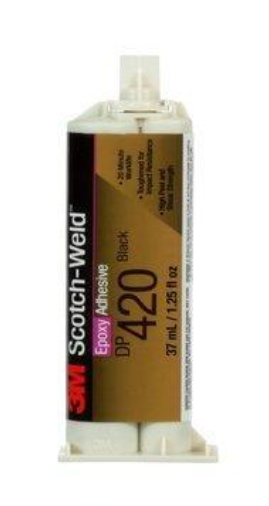
While epoxy adhesives offer strong bonding capabilities, they often lack the flexibility and temperature resistance of silicone sealants. Silicone is better suited for applications where movement and thermal expansion are factors.
6.2 Silicone vs. Polyurethane
Polyurethane adhesives can provide strong bonds but may not offer the same level of UV resistance and flexibility as silicone sealants. For outdoor or highly variable environments, silicone is often the preferred choice.
7. Safety Considerations When Using Silicone Sealants
While silicone adhesive sealants are generally safe, it is essential to observe certain safety precautions:
7.1 Ventilation
Ensure proper ventilation when using silicone sealants to avoid inhaling fumes. This is particularly important in enclosed spaces.
7.2 Skin Protection
Always wear appropriate protective gear, such as gloves, to prevent skin contact with the sealant, which can cause irritation.
7.3 Following Manufacturer Guidelines
Adhere to the manufacturer's instructions regarding application and curing times to ensure optimal performance and safety.
8. The Future of Silicone Adhesive Sealants in Electronics
The future of silicone adhesive sealants in electronics looks promising. As technology advances, there will be a growing demand for materials that can withstand more extreme conditions while providing reliable performance. Innovations in silicone chemistry may lead to even more enhanced properties, expanding their applications in the electronics industry.
9. Frequently Asked Questions
9.1 What are silicone adhesive sealants made of?
Silicone adhesive sealants are primarily composed of silicone polymers, which provide their unique properties such as elasticity and temperature resistance.
9.2 Can silicone sealants be used for outdoor applications?
Yes, silicone adhesive sealants are highly resistant to UV rays and weathering, making them suitable for outdoor use.
9.3 How long do silicone adhesive sealants take to cure?
The curing time for silicone sealants can vary depending on the specific product and environmental conditions, but it typically ranges from 24 hours to several days.
9.4 Are silicone sealants safe for use in electronics?
When used as directed, silicone sealants are safe for electronic applications and provide excellent insulation and protection.
9.5 Can silicone adhesive sealants be removed?
Yes, silicone sealants can be removed, but it may require the use of specific tools or solvents designed for silicone removal.
10. Conclusion
Silicone adhesive sealants are indispensable in the electronics industry, offering a unique combination of properties that enhance the performance and durability of electronic devices. Their temperature resistance, flexibility, chemical resilience, and versatility make them ideal for a wide range of applications, from consumer electronics to industrial machinery. As the demand for reliable and high-performance materials grows, silicone adhesive sealants will undoubtedly play a crucial role in shaping the future of electronic applications. By choosing silicone, manufacturers can ensure that their products remain competitive and reliable in an ever-evolving market.
Related Information





Integrity Professionalism Efficiency Win-Win
We aim to be the leading one-stop chemical solution provider in China and Southeast Asia!!!
Contact Information
Sanligao (Hong Kong) Co., Ltd.
Room A059, 15/F, Block A, Wah Sang Building, 14-18 Wong Chuk Yeung Street, ShaTin District, New Territories, Hong Kong
Tel:+85 259633311
Email:sales@sanligao.com
Sanligao (Vietnam) Co., Ltd.
Room 105, 1st Floor, Office Building, No. 22 Li Taizu Street, Dafu Fang, Beining City, Beining Province, Vietnam
TEL:+84-388882610
Email: sales@sanligao.com
Shenzhen Sanligao Technology Co., Ltd.
Room 506, Zhaoye Industrial Park, No. 172, Huanguan Middle Road, Songxuan Community, Guanhu Street, Longhua District, Shenzhen
Tel:0755-83155700
Email:sales@sanligao.com
Sanligao Technology (Dongguan) Co., Ltd.
Room 1306, Building 8, Jindi Zihui Port, No. 95, Jiaoping Avenue, Tangxia Town, Dongguan
Tel:0769-82960500
Email: sales@sanligao.com