
 China:+86 13509643690



Understanding High Thermal Conductivity Thermal Gels: Benefits and Applications
2025-11-14


One of the primary benefits of high thermal conductivity thermal gels is their ability to reduce thermal resistance. This property is essential in applications where heat accumulation can lead to device failure or performance degradation. By enhancing heat transfer, these gels enable components such as CPUs, GPUs, and power transistors to operate at lower temperatures. This not only improves efficiency but also contributes to energy savings and reduced cooling costs.
Another significant advantage of thermal gels is their excellent adhesion properties. They can bond effectively to various substrates, including metals, plastics, and ceramics. This versatility makes them suitable for a wide range of applications, from consumer electronics to automotive and aerospace industries. The ability to maintain a solid grip while providing thermal conductivity ensures that the gel stays in place, even under thermal cycling and mechanical stress.
High thermal conductivity thermal gels also exhibit superior dielectric properties. This characteristic is crucial for applications where electrical insulation is required alongside thermal management. These gels can be formulated to meet specific electrical insulation standards, making them ideal for use in sensitive electronic devices where conductivity could lead to failure.
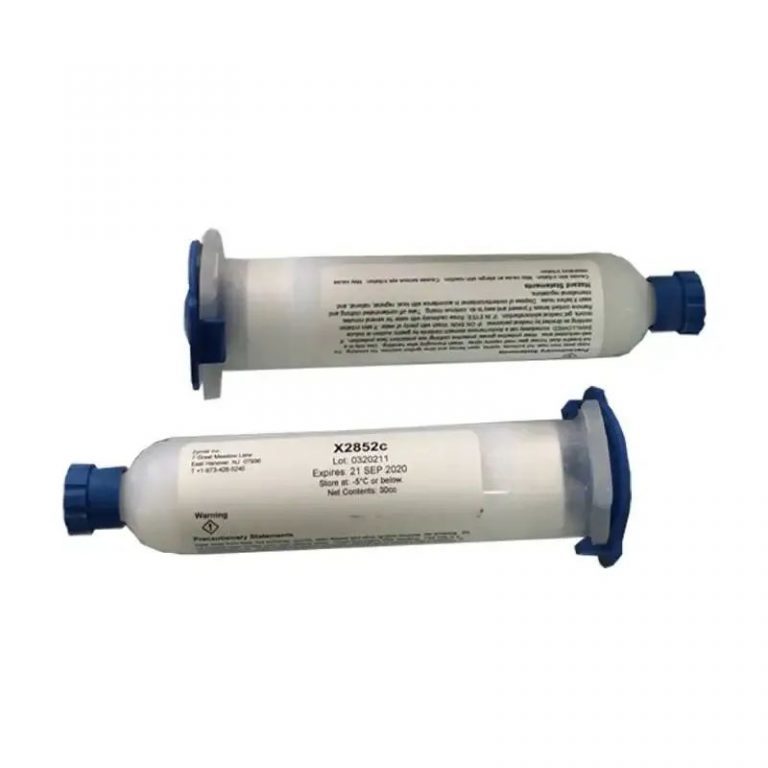
In the realm of manufacturing, the ease of application of thermal gels is another noteworthy feature. They can be dispensed in various ways, including syringe dispensing, screen printing, or automated robotic systems. This flexibility allows manufacturers to integrate thermal gels into their production processes efficiently, minimizing labor costs and reducing material waste.
When selecting a high thermal conductivity thermal gel, it is essential to consider factors such as viscosity, thermal conductivity value, and curing time. These parameters can significantly influence the performance of the gel in its intended application. Understanding the specific thermal management requirements of your project will help in choosing the right formulation that meets your needs.
In conclusion, high thermal conductivity thermal gels are indispensable materials in today's technology-driven world. Their ability to enhance thermal performance, ensure reliable adhesion, and provide electrical insulation makes them a vital component in numerous applications. As industries continue to demand more efficient thermal management solutions, the relevance of high thermal conductivity thermal gels will only grow, driving innovation and enhancing device reliability across various sectors.
Related Information






Integrity Professionalism Efficiency Win-Win
We aim to be the leading one-stop chemical solution provider in China and Southeast Asia!!!
Contact Information
Sanligao (Hong Kong) Co., Ltd.
Room A059, 15/F, Block A, Wah Sang Building, 14-18 Wong Chuk Yeung Street, ShaTin District, New Territories, Hong Kong
Tel:+85 259633311
Email:sales@sanligao.com
Sanligao (Vietnam) Co., Ltd.
Room 105, 1st Floor, Office Building, No. 22 Li Taizu Street, Dafu Fang, Beining City, Beining Province, Vietnam
TEL:+84-388882610
Email: sales@sanligao.com
Shenzhen Sanligao Technology Co., Ltd.
Room 506, Zhaoye Industrial Park, No. 172, Huanguan Middle Road, Songxuan Community, Guanhu Street, Longhua District, Shenzhen
Tel:0755-83155700
Email:sales@sanligao.com
Sanligao Technology (Dongguan) Co., Ltd.
Room 1306, Building 8, Jindi Zihui Port, No. 95, Jiaoping Avenue, Tangxia Town, Dongguan
Tel:0769-82960500
Email: sales@sanligao.com