 China:+86 13509643690



Understanding High Thermal Conductivity Thermal Gel: Properties and Applications
2025-11-24


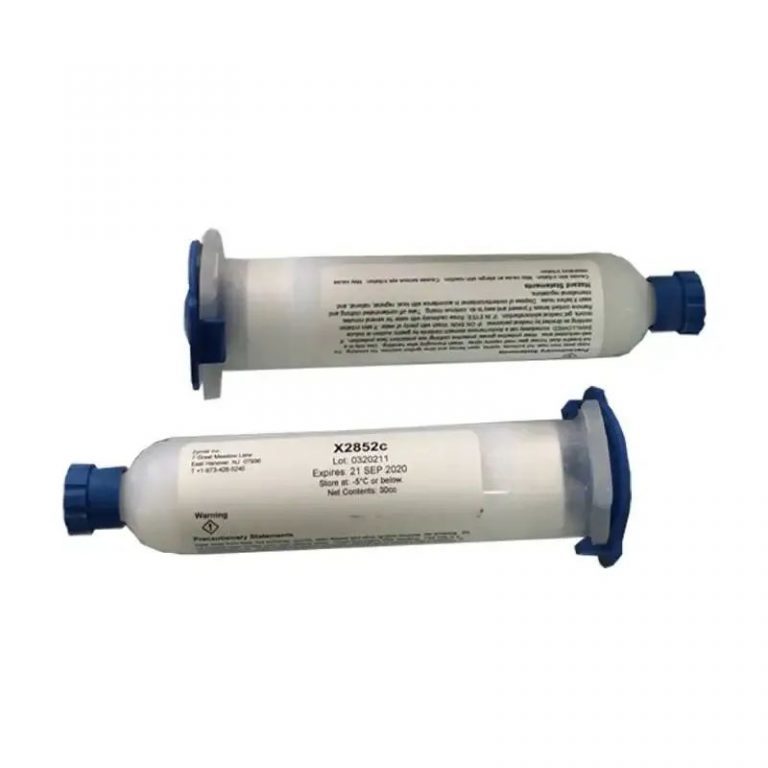
One of the most notable features of high thermal conductivity thermal gels is their ability to fill microscopic gaps between surfaces, creating an effective thermal interface. Traditional methods of heat transfer, such as metal heat sinks, can sometimes leave air pockets that significantly reduce efficiency. In contrast, thermal gels conform to the surfaces and minimize thermal resistance, allowing for superior heat conduction.
The composition of high thermal conductivity thermal gels typically includes a blend of silicone or polymer matrix combined with thermally conductive fillers. These fillers can be materials such as aluminum oxide, boron nitride, or graphite, which enhance the gel’s overall heat transfer properties. The result is a product that not only provides excellent thermal performance but also retains the flexibility and ease of application that gels offer.
In addition to their thermal properties, high thermal conductivity thermal gels also exhibit excellent adhesion characteristics, making them suitable for bonding various substrates. This feature is particularly beneficial in applications where mechanical stability is essential, such as in the assembly of electronic components, where both thermal and structural integrity must be maintained.
One of the key advantages of using high thermal conductivity thermal gels is their ability to operate effectively over a wide temperature range. This characteristic is critical for devices subjected to varying thermal conditions, as it ensures consistent performance without degradation over time. Moreover, many of these gels are formulated to be non-toxic and environmentally friendly, aligning with the growing demand for sustainable materials in industrial applications.
High thermal conductivity thermal gels are increasingly being utilized in innovative technologies, including advanced cooling solutions for high-performance computing and LED lighting systems. As industries continue to evolve, the demand for effective thermal management solutions will likely increase, positioning high thermal conductivity thermal gels as essential materials in the quest for improved performance and reliability.
In summary, high thermal conductivity thermal gels represent a significant advancement in thermal management technology. Their unique properties facilitate efficient heat transfer, making them invaluable in numerous applications. As industries seek to optimize performance and ensure safety, understanding and leveraging the benefits of these gels will be crucial in the future of thermal management solutions.
Related Information






Integrity Professionalism Efficiency Win-Win
We aim to be the leading one-stop chemical solution provider in China and Southeast Asia!!!
Contact Information
Sanligao (Hong Kong) Co., Ltd.
Room A059, 15/F, Block A, Wah Sang Building, 14-18 Wong Chuk Yeung Street, ShaTin District, New Territories, Hong Kong
Tel:+85 259633311
Email:sales@sanligao.com
Sanligao (Vietnam) Co., Ltd.
Room 105, 1st Floor, Office Building, No. 22 Li Taizu Street, Dafu Fang, Beining City, Beining Province, Vietnam
TEL:+84-388882610
Email: sales@sanligao.com
Shenzhen Sanligao Technology Co., Ltd.
Room 506, Zhaoye Industrial Park, No. 172, Huanguan Middle Road, Songxuan Community, Guanhu Street, Longhua District, Shenzhen
Tel:0755-83155700
Email:sales@sanligao.com
Sanligao Technology (Dongguan) Co., Ltd.
Room 1306, Building 8, Jindi Zihui Port, No. 95, Jiaoping Avenue, Tangxia Town, Dongguan
Tel:0769-82960500
Email: sales@sanligao.com