 China:+86 13509643690



Understanding High Thermal Conductivity Thermal Gel: Essential Insights for Professionals
2026-02-05


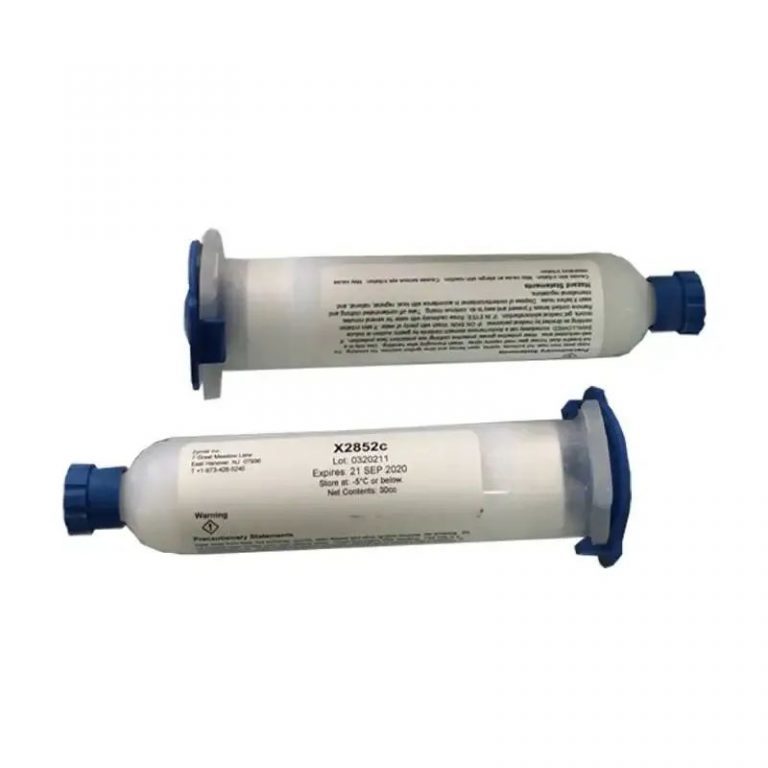
One of the key advantages of high thermal conductivity thermal gel is its ability to fill microscopic air gaps between surfaces, which can significantly reduce thermal resistance. This property is essential in applications like computer processors and LED lighting, where effective heat dissipation can improve performance and longevity. The gel's consistency allows it to conform to uneven surfaces, providing a more efficient thermal interface compared to traditional thermal paste or pads.
The composition of high thermal conductivity thermal gel typically includes silicone or polymer-based compounds combined with thermally conductive fillers, such as metal oxides or carbon-based materials. This combination enhances thermal conductivity while maintaining a flexible, easy-to-apply consistency. The thermal conductivity of these gels can range significantly, often measured in watts per meter-kelvin (W/m·K), with higher values indicating better heat transfer capabilities.
In addition to thermal conductivity, high thermal conductivity thermal gels often possess other beneficial properties such as low viscosity, good adhesion, and resistance to degradation under heat. This makes them suitable for long-term use in high-temperature environments. Moreover, they are often electrically insulating, which is crucial in preventing short circuits in sensitive electronic components.
When selecting a high thermal conductivity thermal gel for specific applications, professionals should consider factors such as operating temperature range, viscosity, thermal stability, and compatibility with the materials being bonded. Conducting a thorough evaluation of these properties helps in identifying the most suitable product for achieving optimal thermal management.
Moreover, the application of high thermal conductivity thermal gel typically involves a straightforward process. It can be applied using various methods, including dispensing, spreading, or printing, depending on the manufacturing process and design requirements. Proper application techniques will ensure that the gel provides uniform coverage and optimal thermal performance.
In summary, high thermal conductivity thermal gel is a critical component in modern thermal management solutions, offering efficient heat transfer, flexibility, and long-term reliability. Understanding its properties and applications is essential for professionals working in fields that rely on effective thermal management, ensuring that systems operate efficiently and reliably over time.
Related Information





Integrity Professionalism Efficiency Win-Win
We aim to be the leading one-stop chemical solution provider in China and Southeast Asia!!!
Contact Information
Sanligao (Hong Kong) Co., Ltd.
Room A059, 15/F, Block A, Wah Sang Building, 14-18 Wong Chuk Yeung Street, ShaTin District, New Territories, Hong Kong
Tel:+85 259633311
Email:sales@sanligao.com
Sanligao (Vietnam) Co., Ltd.
Room 105, 1st Floor, Office Building, No. 22 Li Taizu Street, Dafu Fang, Beining City, Beining Province, Vietnam
TEL:+84-388882610
Email: sales@sanligao.com
Shenzhen Sanligao Technology Co., Ltd.
Room 506, Zhaoye Industrial Park, No. 172, Huanguan Middle Road, Songxuan Community, Guanhu Street, Longhua District, Shenzhen
Tel:0755-83155700
Email:sales@sanligao.com
Sanligao Technology (Dongguan) Co., Ltd.
Room 1306, Building 8, Jindi Zihui Port, No. 95, Jiaoping Avenue, Tangxia Town, Dongguan
Tel:0769-82960500
Email: sales@sanligao.com