 China:+86 13509643690



Understanding High Thermal Conductivity Thermal Gel: Benefits and Applications
2025-09-25


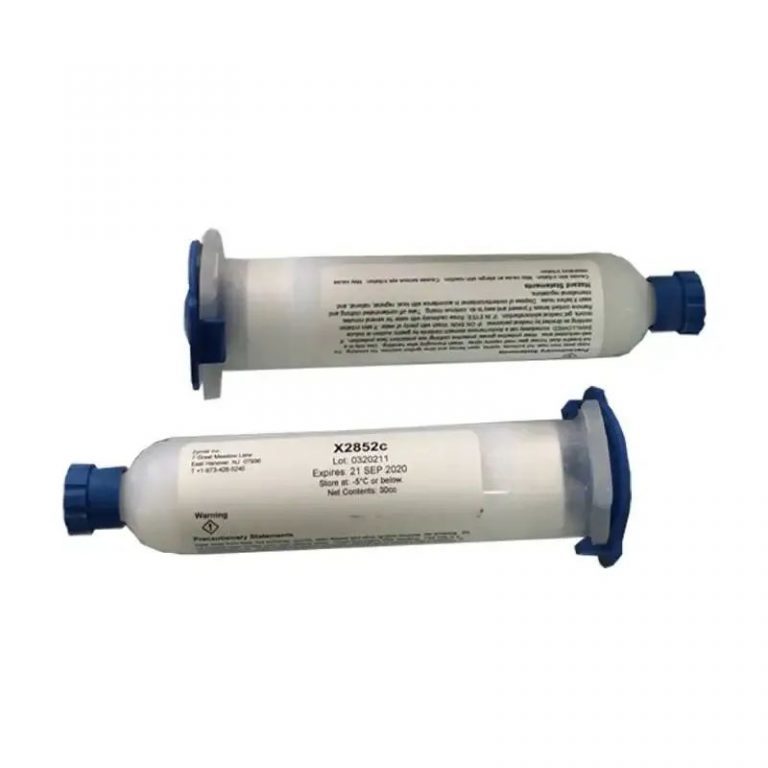
The primary function of high thermal conductivity thermal gel is to bridge the gap between heat-generating components, such as processors and heat sinks, ensuring optimal thermal transfer. This minimizes the likelihood of overheating, which can lead to performance degradation, reduced lifespan, or even failure of electronic components. By effectively conducting and dissipating heat, these gels help maintain a stable operating temperature, promoting reliability and efficiency.
One of the standout features of high thermal conductivity thermal gels is their unique composition. Typically made from a combination of silicone or polymer matrices infused with thermally conductive fillers, these gels possess superior thermal properties compared to traditional thermal pastes or pads. Their high thermal conductivity not only enhances heat transfer but also ensures that the gels maintain their performance over a wide range of temperatures.
In addition to their thermal management capabilities, high thermal conductivity thermal gels offer several other advantages. They are often characterized by their excellent adhesion properties, allowing them to bond securely to various surfaces without compromising thermal efficiency. Moreover, these gels typically exhibit low viscosity, enabling easy application and ensuring a uniform layer that maximizes contact area between surfaces.
Another significant benefit of using high thermal conductivity thermal gel is its flexibility. Unlike rigid thermal interfaces, these gels can conform to the microscopic irregularities of surfaces, filling gaps and voids that could otherwise impede thermal transfer. This adaptability not only improves efficiency but also provides a cushioning effect that can absorb mechanical stress, further protecting sensitive components.
Moreover, these gels are often formulated to be non-toxic and environmentally friendly, making them an attractive choice for manufacturers looking to adhere to sustainability practices. Their long-lasting performance and resistance to thermal degradation ensure that they remain effective throughout the product's lifecycle, reducing the need for frequent replacements and contributing to lower overall maintenance costs.
In conclusion, high thermal conductivity thermal gels are indispensable in modern manufacturing and electronics. Their ability to efficiently transfer heat enhances the performance and longevity of components across various applications. As technology continues to advance, these innovative materials will play an increasingly vital role in ensuring thermal management solutions that meet the demands of evolving industries. Understanding their properties and benefits can help businesses make informed decisions about integrating them into their products and processes.
Related Information





Integrity Professionalism Efficiency Win-Win
We aim to be the leading one-stop chemical solution provider in China and Southeast Asia!!!
Contact Information
Sanligao (Hong Kong) Co., Ltd.
Room A059, 15/F, Block A, Wah Sang Building, 14-18 Wong Chuk Yeung Street, ShaTin District, New Territories, Hong Kong
Tel:+85 259633311
Email:sales@sanligao.com
Sanligao (Vietnam) Co., Ltd.
Room 105, 1st Floor, Office Building, No. 22 Li Taizu Street, Dafu Fang, Beining City, Beining Province, Vietnam
TEL:+84-388882610
Email: sales@sanligao.com
Shenzhen Sanligao Technology Co., Ltd.
Room 506, Zhaoye Industrial Park, No. 172, Huanguan Middle Road, Songxuan Community, Guanhu Street, Longhua District, Shenzhen
Tel:0755-83155700
Email:sales@sanligao.com
Sanligao Technology (Dongguan) Co., Ltd.
Room 1306, Building 8, Jindi Zihui Port, No. 95, Jiaoping Avenue, Tangxia Town, Dongguan
Tel:0769-82960500
Email: sales@sanligao.com