 China:+86 13509643690



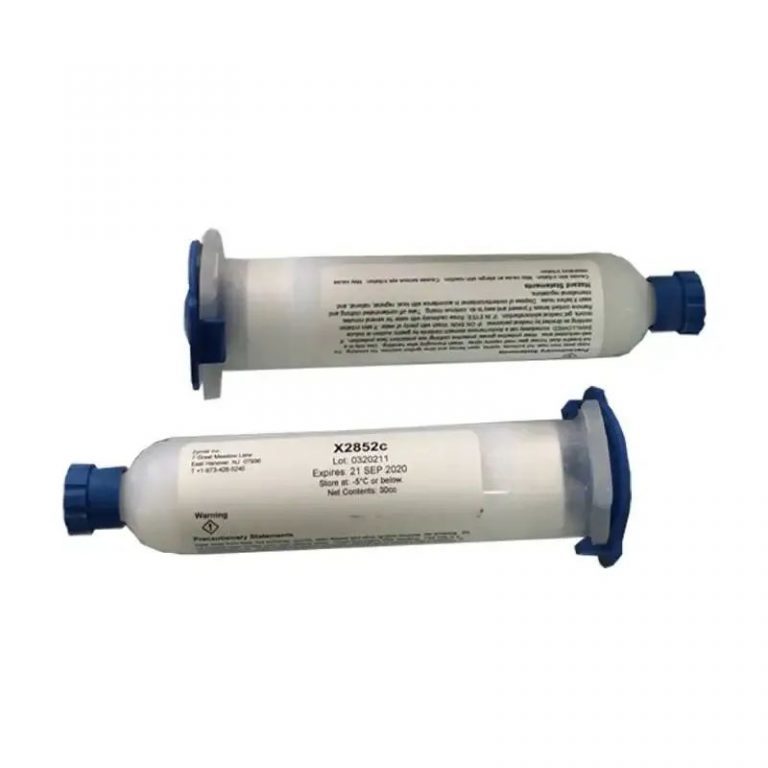
Understanding High Thermal Conductivity Thermal Gel: A Vital Component in Modern Applications
2026-03-07


One of the standout characteristics of high thermal conductivity thermal gel is its ability to maintain a consistent thermal interface. Unlike traditional thermal pastes or pads, which can degrade over time, thermal gels are designed to maintain their properties under varying temperature conditions. This longevity makes them an ideal choice for applications where reliability is paramount.
In addition to their excellent thermal conductivity, these gels often exhibit properties such as flexibility, which allows them to conform to different surface geometries. This adaptability ensures that they can provide uniform coverage in complex electronic assemblies, enhancing the efficiency of heat dissipation. Furthermore, high thermal conductivity thermal gels are typically non-toxic and can be formulated to be electrically insulating, making them safe for use in sensitive electronic devices.
The applications of high thermal conductivity thermal gel are vast. In the electronics industry, they are commonly used in smartphones, laptops, and gaming consoles, where effective heat management is essential for performance and longevity. In the automotive sector, thermal gels are utilized in electric vehicles and internal combustion engines, where they help manage heat generated by batteries and other components, ensuring safety and efficiency.
Moreover, the demand for high thermal conductivity thermal gel is growing due to the increasing prevalence of high-performance electronic devices and the need for sustainable energy solutions. As industries continue to innovate, the importance of effective thermal management cannot be overstated, making thermal gels a critical component in the development of next-generation technologies.
In summary, high thermal conductivity thermal gel is an indispensable material in many modern applications. Its unique properties offer numerous advantages, including superior heat transfer, longevity, and flexibility. As technology advances, the role of thermal gels will continue to expand, making them vital for ensuring the performance and reliability of various devices. Understanding these materials and their applications is essential for anyone involved in fields where thermal management is critical.
Related Information









Integrity Professionalism Efficiency Win-Win
We aim to be the leading one-stop chemical solution provider in China and Southeast Asia!!!
Contact Information
Sanligao (Hong Kong) Co., Ltd.
Room A059, 15/F, Block A, Wah Sang Building, 14-18 Wong Chuk Yeung Street, ShaTin District, New Territories, Hong Kong
Tel:+85 259633311
Email:sales@sanligao.com
Sanligao (Vietnam) Co., Ltd.
Room 105, 1st Floor, Office Building, No. 22 Li Taizu Street, Dafu Fang, Beining City, Beining Province, Vietnam
TEL:+84-388882610
Email: sales@sanligao.com
Shenzhen Sanligao Technology Co., Ltd.
Room 506, Zhaoye Industrial Park, No. 172, Huanguan Middle Road, Songxuan Community, Guanhu Street, Longhua District, Shenzhen
Tel:0755-83155700
Email:sales@sanligao.com
Sanligao Technology (Dongguan) Co., Ltd.
Room 1306, Building 8, Jindi Zihui Port, No. 95, Jiaoping Avenue, Tangxia Town, Dongguan
Tel:0769-82960500
Email: sales@sanligao.com