 China:+86 13509643690



The Role of UV Curing Adhesives in Modern Electronic Manufacturing: Revolutionizing Bonding Techniques
2025-10-04


The Role of UV Curing Adhesives in Modern Electronic Manufacturing
Table of Contents
- 1. Introduction to UV Curing Adhesives
- 2. What Are UV Curing Adhesives?
- 3. Advantages of UV Curing Adhesives in Electronics
- 4. Key Applications of UV Curing Adhesives in Electronics Manufacturing
- 5. How UV Curing Works: A Deep Dive
- 6. Comparing UV Curing Adhesives with Other Adhesive Technologies
- 7. Future Trends in UV Curing Adhesives
- 8. FAQs about UV Curing Adhesives
- 9. Conclusion
1. Introduction to UV Curing Adhesives
In the fast-paced world of electronic manufacturing, the demand for innovative bonding solutions is crucial. UV curing adhesives have emerged as a powerful technology, offering significant advantages over traditional bonding methods. These adhesives are designed to cure upon exposure to ultraviolet light, resulting in rapid bonding, exceptional strength, and enhanced performance. This article delves into the role of UV curing adhesives in modern electronic manufacturing, exploring their benefits, applications, and future prospects.
2. What Are UV Curing Adhesives?
UV curing adhesives are specialized bonding agents that utilize ultraviolet light to initiate a chemical reaction, causing the adhesive to cure and bond surfaces together. Composed of various resins, photoinitiators, and other additives, these adhesives provide unique properties that are particularly beneficial in electronic applications.
The Composition of UV Curing Adhesives
The primary components of UV curing adhesives include:
- **Resins**: These act as the primary bonding agent and determine the adhesive's final properties.
- **Photoinitiators**: Substances that absorb UV light and generate reactive species to initiate the curing process.
- **Additives**: These may include fillers, stabilizers, and pigments that enhance performance and appearance.
3. Advantages of UV Curing Adhesives in Electronics
The adoption of UV curing adhesives in electronic manufacturing offers several compelling advantages:
Fast Curing Times
One of the most notable benefits is the rapid curing time. UV curing adhesives can set within seconds, significantly speeding up the production process and allowing for higher throughput.
Excellent Bond Strength
These adhesives provide superior bond strength, ensuring long-lasting adhesion even under challenging conditions. This characteristic is essential in electronic devices that experience mechanical stress and thermal fluctuations.
Versatility
UV curing adhesives can bond a variety of substrates, including metals, plastics, and glass, making them highly versatile for different manufacturing scenarios.
Minimal Volatile Organic Compounds (VOCs)
With a lower emission of VOCs compared to solvent-based adhesives, UV curing adhesives are more environmentally friendly and contribute to safer working conditions.
Enhanced Chemical Resistance
UV curing adhesives exhibit excellent resistance to chemicals, making them suitable for use in environments where exposure to solvents and other harsh substances is a concern.
4. Key Applications of UV Curing Adhesives in Electronics Manufacturing
The versatility and performance of UV curing adhesives enable their use in various aspects of electronic manufacturing:
Display Assembly
In display assembly, UV curing adhesives are employed for bonding optical films, touchscreens, and protective glass. Their fast curing times help maintain production efficiency.
Encapsulation and Potting
UV curing adhesives are ideal for encapsulating sensitive electronic components, providing protection from moisture, dust, and mechanical damage.
Component Mounting
These adhesives effectively bond various electronic components, including capacitors, resistors, and integrated circuits, ensuring reliable performance in electronic devices.
Optical Bonding
For applications requiring high optical clarity, such as lens bonding in cameras and screens, UV curing adhesives provide excellent transparency and minimize distortion.
Sealing
UV curing adhesives are also used in sealing applications to protect electronic assemblies from environmental contaminants and moisture ingress.
5. How UV Curing Works: A Deep Dive
Understanding the curing process of UV adhesives is essential for their effective application in manufacturing. The curing mechanism involves several stages:
Initiation
Upon exposure to UV light, photoinitiators absorb energy and generate reactive species that trigger polymerization.
Propagation
The reactive species react with the resin, forming a polymer network that consolidates the adhesive's structure.
Termination
The curing process continues until all reactive sites are consumed, resulting in a solid, stable adhesive layer.
6. Comparing UV Curing Adhesives with Other Adhesive Technologies
When considering bonding solutions, it is crucial to compare UV curing adhesives with other adhesive technologies.
UV Curing vs. Epoxy Adhesives
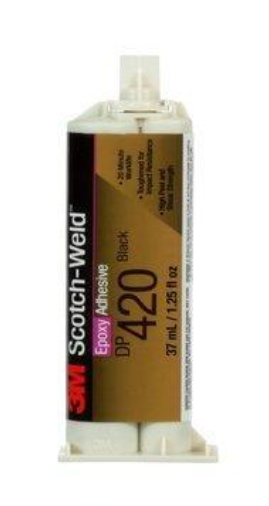
While epoxy adhesives are known for their strong bonds and chemical resistance, they typically require longer curing times and can generate heat that may damage sensitive components. In contrast, UV curing adhesives provide rapid curing without generating excessive heat, making them more suitable for electronic applications.
UV Curing vs. Solvent-Based Adhesives
Solvent-based adhesives often release VOCs and take longer to cure. UV curing adhesives, on the other hand, are low in VOCs and cure quickly, offering a cleaner and more efficient solution.
UV Curing vs. Hot Melt Adhesives
Hot melt adhesives require heating and solidify upon cooling. While they are useful in certain applications, they may not provide the same level of strength and durability as UV curing adhesives, particularly in demanding electronic environments.
7. Future Trends in UV Curing Adhesives
As technology continues to evolve, so too does the field of UV curing adhesives. Several trends are shaping the future of this adhesive technology:
Advancements in Formulations
Researchers are developing new formulations with enhanced properties, such as improved adhesion to challenging substrates and increased flexibility.
Integration with Automation
The integration of UV curing adhesives with automated manufacturing processes will streamline production, reduce labor costs, and enhance efficiency.
Increased Focus on Sustainability
As environmental concerns grow, the demand for low-VOC and eco-friendly adhesive solutions will drive innovations in UV curing adhesives, promoting greener manufacturing practices.
8. FAQs about UV Curing Adhesives
What types of materials can be bonded with UV curing adhesives?
UV curing adhesives can bond a wide range of materials, including metals, plastics, glass, and ceramics, making them highly versatile for various applications.
How long does it take for UV curing adhesives to cure?
Curing times can vary, but UV curing adhesives typically cure within seconds to minutes upon exposure to UV light.
Are UV curing adhesives safe to use?
Yes, UV curing adhesives are generally safe to use. However, it is essential to follow safety guidelines, including using appropriate UV protection when working with these adhesives.
Can UV curing adhesives be used in outdoor applications?
Yes, many UV curing adhesives offer excellent weather resistance, making them suitable for outdoor applications. However, it is crucial to choose the right formulation based on environmental exposure.
What is the shelf life of UV curing adhesives?
The shelf life of UV curing adhesives can vary depending on the formulation and storage conditions. Generally, they should be stored in a cool, dark place to maximize their longevity.
9. Conclusion
UV curing adhesives are revolutionizing the electronic manufacturing landscape, offering rapid curing times, exceptional bond strength, and versatility across various applications. As technology continues to advance, these adhesives will play an increasingly vital role in enhancing productivity and product quality. Embracing UV curing adhesives not only streamlines the manufacturing process but also contributes to a more sustainable and efficient future in electronics. By understanding their benefits and applications, manufacturers can make informed decisions that drive innovation and success in their operations.
Related Information





Integrity Professionalism Efficiency Win-Win
We aim to be the leading one-stop chemical solution provider in China and Southeast Asia!!!
Contact Information
Sanligao (Hong Kong) Co., Ltd.
Room A059, 15/F, Block A, Wah Sang Building, 14-18 Wong Chuk Yeung Street, ShaTin District, New Territories, Hong Kong
Tel:+85 259633311
Email:sales@sanligao.com
Sanligao (Vietnam) Co., Ltd.
Room 105, 1st Floor, Office Building, No. 22 Li Taizu Street, Dafu Fang, Beining City, Beining Province, Vietnam
TEL:+84-388882610
Email: sales@sanligao.com
Shenzhen Sanligao Technology Co., Ltd.
Room 506, Zhaoye Industrial Park, No. 172, Huanguan Middle Road, Songxuan Community, Guanhu Street, Longhua District, Shenzhen
Tel:0755-83155700
Email:sales@sanligao.com
Sanligao Technology (Dongguan) Co., Ltd.
Room 1306, Building 8, Jindi Zihui Port, No. 95, Jiaoping Avenue, Tangxia Town, Dongguan
Tel:0769-82960500
Email: sales@sanligao.com