 China:+86 13509643690



Mastering Zymet Adhesive: Essential Tips for Effective Use
2026-04-11


Understanding Zymet Adhesive
So, you've heard about Zymet adhesive, huh? It's that handy solution that many DIY enthusiasts and professionals swear by. But before you jump in and start your next project, let's take a moment to explore some important tips and precautions.
What is Zymet Adhesive?
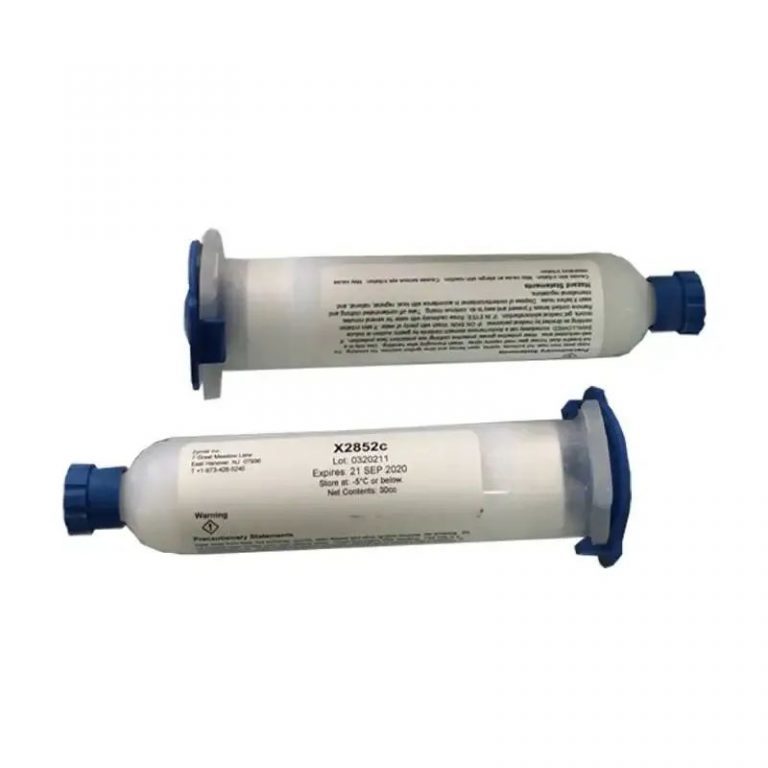
Zymet adhesive is a versatile bonding agent known for its strong adhesion and quick drying time. Whether you're fixing something at home or working on a larger project, this adhesive can be a game-changer. It's widely used in various applications, from crafts to industrial uses.
Safety First!
Before you get all excited and start applying Zymet adhesive, let's talk safety. Always wear gloves when handling the adhesive to avoid skin irritation. And, oh boy, don't forget to work in a well-ventilated area! The fumes can be a bit overwhelming if you're in a closed space.
Storage Tips
Now, where to store this adhesive? Keep it in a cool, dry place, away from direct sunlight. You wouldn't want the heat to mess with its properties, right? Also, make sure the lid is tightly closed after use to prevent it from drying out. A little bit of care goes a long way!
Application Techniques
When it comes to applying Zymet adhesive, precision is key! Here are a few pointers:
- Clean Surfaces: Ensure the surfaces you're bonding are clean and dry. Dust and grease can weaken the bond.
- Even Application: Apply a thin, even layer. Too much adhesive can lead to a messy finish.
- Clamp if Necessary: For larger projects, clamping can help achieve a stronger bond while the adhesive cures.
Curing Time
Ah, the waiting game! Zymet adhesive typically cures within a few hours, but for the best results, allow it to set overnight. It's tough to resist the urge to rush things, but patience is a virtue here.
Common Mistakes to Avoid
Even seasoned pros can make errors with adhesives, so here are a couple of common pitfalls:
- Ignoring Temperature: Always check the temperature range for application. Too cold or hot can affect adhesion.
- Skipping the Prep Work: Don't rush the prep phase! Proper cleaning and surface preparation are critical for success.
Final Thoughts
There you have it! By keeping these tips in mind, you're well on your way to mastering the use of Zymet adhesive. It's all about safety, preparation, and a little bit of patience. So, roll up your sleeves and get to work. Your projects will thank you!
Related Information





Integrity Professionalism Efficiency Win-Win
We aim to be the leading one-stop chemical solution provider in China and Southeast Asia!!!
Contact Information
Sanligao (Hong Kong) Co., Ltd.
Room A059, 15/F, Block A, Wah Sang Building, 14-18 Wong Chuk Yeung Street, ShaTin District, New Territories, Hong Kong
Tel:+85 259633311
Email:sales@sanligao.com
Sanligao (Vietnam) Co., Ltd.
Room 105, 1st Floor, Office Building, No. 22 Li Taizu Street, Dafu Fang, Beining City, Beining Province, Vietnam
TEL:+84-388882610
Email: sales@sanligao.com
Shenzhen Sanligao Technology Co., Ltd.
Room 506, Zhaoye Industrial Park, No. 172, Huanguan Middle Road, Songxuan Community, Guanhu Street, Longhua District, Shenzhen
Tel:0755-83155700
Email:sales@sanligao.com
Sanligao Technology (Dongguan) Co., Ltd.
Room 1306, Building 8, Jindi Zihui Port, No. 95, Jiaoping Avenue, Tangxia Town, Dongguan
Tel:0769-82960500
Email: sales@sanligao.com