 China:+86 13509643690



How to Select the Right Instant Adhesive for Your Plastic and Rubber Projects
2025-12-30


How to Select the Right Instant Adhesive for Your Plastic and Rubber Projects
Table of Contents
1. Understanding Instant Adhesives
2. Types of Instant Adhesives for Plastic and Rubber
2.1 Cyanoacrylate Adhesives
2.2 Epoxy Adhesives
2.3 Polyurethane Adhesives
3. Key Factors to Consider When Choosing an Instant Adhesive
3.1 Material Compatibility
3.2 Curing Time
3.3 Environmental Resistance
3.4 Viscosity and Application Method
4. Step-by-Step Guide to Selecting the Right Adhesive
5. Common Applications of Instant Adhesives in Plastic and Rubber Projects
6. Safety Considerations When Using Instant Adhesives
7. Frequently Asked Questions (FAQs)
8. Conclusion
1. Understanding Instant Adhesives
Instant adhesives, often referred to as super glues, are a category of adhesives that bond quickly and effectively. These glues are engineered for a variety of applications, particularly in bonding plastics and rubber materials. Their unique formulations allow for strong adhesion in a short amount of time, making them a preferred choice for both hobbyists and industry professionals.
2. Types of Instant Adhesives for Plastic and Rubber
Understanding the different types of instant adhesives available is crucial for selecting the right one for your project. Here, we explore three of the most common types.
2.1 Cyanoacrylate Adhesives
Cyanoacrylate adhesives, commonly known as “super glue,” are favored for their rapid bonding capabilities. They work well with a wide range of materials, including various plastics and rubber. These adhesives cure quickly upon exposure to moisture, making them ideal for quick repairs and assembly tasks.
2.2 Epoxy Adhesives
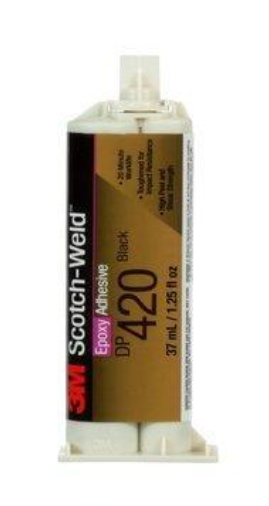
Epoxy adhesives consist of two components: resin and hardener. Unlike cyanoacrylate adhesives, they require mixing before application. Epoxies offer strong, durable bonds and are resistant to heat, water, and chemicals, making them suitable for more demanding applications, particularly in industrial settings.
2.3 Polyurethane Adhesives
Polyurethane adhesives are versatile and can bond a variety of materials, including plastic and rubber. They provide flexibility after curing, making them ideal for applications where the bonded materials may experience movement or expansion due to temperature changes.
3. Key Factors to Consider When Choosing an Instant Adhesive
Selecting the right instant adhesive involves several critical considerations. Understanding these factors will help ensure a successful bond.
3.1 Material Compatibility
Not all adhesives are compatible with every type of plastic or rubber. Different materials have varying surface energies, so it’s essential to confirm that the adhesive will effectively bond with the specific materials you are working with. Always consult the manufacturer’s guidelines for compatibility information.
3.2 Curing Time
Curing time is an important aspect of any adhesive. Some projects may require a quick bond, while others may allow for a longer setting period. Evaluate your project’s timeline to choose an adhesive that meets your needs. For instance, cyanoacrylate adhesives bond within seconds, while epoxy adhesives typically require longer curing times.
3.3 Environmental Resistance
Consider the environmental conditions the bonded materials will face. Will they be exposed to heat, moisture, or chemicals? Different adhesives offer varying levels of resistance to these factors. For outdoor applications, look for adhesives specifically designed to withstand UV exposure and weather elements.
3.4 Viscosity and Application Method
The viscosity of an adhesive impacts its application method. Thicker adhesives may require more precise application techniques, while thinner adhesives may flow better into tight spaces. Consider how the adhesive will be applied and choose a viscosity that aligns with your project requirements.
4. Step-by-Step Guide to Selecting the Right Adhesive
Choosing the right adhesive can be simplified with the following steps:
1. **Identify the Materials**: Determine the types of plastic and rubber you need to bond.
2. **Evaluate Usage Conditions**: Assess the environmental conditions, including temperature and exposure to moisture or chemicals.
3. **Determine Bonding Speed**: Decide how quickly you need the bond to set.
4. **Consult Manufacturer Guidelines**: Review the manufacturer's recommendations for compatibility and usage.
5. **Test the Adhesive**: If possible, conduct a small test on scrap materials to ensure the adhesive performs as expected.
5. Common Applications of Instant Adhesives in Plastic and Rubber Projects
Instant adhesives are widely used across various applications, including:
- **Repairing Broken Plastic Parts**: Quick fixes for household items, toys, and electronics.
- **Art and Craft Projects**: Binding materials in creative endeavors, such as scrapbooking and model building.
- **Automotive Repairs**: Bonding rubber seals, trims, and plastic components in vehicles.
- **Industrial Applications**: Assembling parts in manufacturing processes, where strong and durable bonds are required.
6. Safety Considerations When Using Instant Adhesives
Safety should always be a priority when working with adhesives. Here are some essential safety tips:
- **Read Labels**: Always read the safety instructions provided by the manufacturer.
- **Use in Well-Ventilated Areas**: Many adhesives emit fumes that can be harmful if inhaled.
- **Wear Protective Gear**: Use gloves and eye protection to prevent skin and eye contact.
- **Store Properly**: Keep adhesives out of reach of children and store them in a cool, dry place.
7. Frequently Asked Questions (FAQs)
**Q1: Can I use cyanoacrylate adhesive on rubber?**
A1: Yes, cyanoacrylate adhesives can bond many types of rubber, but it’s essential to check for compatibility with specific rubber materials.
**Q2: How long does it take for epoxy adhesives to cure?**
A2: Epoxy adhesives generally take anywhere from 5 minutes to several hours to cure, depending on the formulation and environmental conditions.
**Q3: Is it necessary to clamp materials when using instant adhesives?**
A3: While clamping can enhance bond strength, many instant adhesives are designed to work well without clamps due to their rapid curing properties.
**Q4: What should I do if I accidentally spill adhesive on my skin?**
A4: Immediately wash the area with soap and water. If irritation persists, seek medical advice.
**Q5: Are instant adhesives waterproof?**
A5: Many instant adhesives offer water resistance, but it’s crucial to check the specific product details for capabilities regarding long-term water exposure.
8. Conclusion
Selecting the right instant adhesive for your plastic and rubber projects requires a thorough understanding of materials, application conditions, and adhesive properties. By considering factors such as material compatibility, curing time, and environmental resistance, you can make informed decisions that lead to successful bonding outcomes. Whether you are engaged in DIY projects or industrial applications, having the right adhesive at hand can significantly enhance the effectiveness and durability of your work. Always prioritize safety and follow manufacturer guidelines to ensure the best results.
Related Information





Integrity Professionalism Efficiency Win-Win
We aim to be the leading one-stop chemical solution provider in China and Southeast Asia!!!
Contact Information
Sanligao (Hong Kong) Co., Ltd.
Room A059, 15/F, Block A, Wah Sang Building, 14-18 Wong Chuk Yeung Street, ShaTin District, New Territories, Hong Kong
Tel:+85 259633311
Email:sales@sanligao.com
Sanligao (Vietnam) Co., Ltd.
Room 105, 1st Floor, Office Building, No. 22 Li Taizu Street, Dafu Fang, Beining City, Beining Province, Vietnam
TEL:+84-388882610
Email: sales@sanligao.com
Shenzhen Sanligao Technology Co., Ltd.
Room 506, Zhaoye Industrial Park, No. 172, Huanguan Middle Road, Songxuan Community, Guanhu Street, Longhua District, Shenzhen
Tel:0755-83155700
Email:sales@sanligao.com
Sanligao Technology (Dongguan) Co., Ltd.
Room 1306, Building 8, Jindi Zihui Port, No. 95, Jiaoping Avenue, Tangxia Town, Dongguan
Tel:0769-82960500
Email: sales@sanligao.com