 China:+86 13509643690



How Instant Adhesive Revolutionizes Plastic and Rubber Repair Techniques
2025-10-18


How Instant Adhesive Revolutionizes Plastic and Rubber Repair Techniques
Table of Contents
- 1. Introduction: The Rise of Instant Adhesives
- 2. Understanding Instant Adhesives
- 3. Advantages of Using Instant Adhesives in Repairs
- 4. Application Techniques for Plastic and Rubber
- 5. Common Issues and Solutions When Using Instant Adhesives
- 6. Case Studies: Real-World Applications
- 7. Best Instant Adhesive Products for Plastic and Rubber Repairs
- 8. The Future of Adhesive Technology in Repair Techniques
- 9. Frequently Asked Questions
- 10. Conclusion
1. Introduction: The Rise of Instant Adhesives
Instant adhesives have dramatically changed the landscape of repair techniques, especially in the realms of plastic and rubber. With their ability to form strong bonds in seconds, these adhesives are an essential tool for both professionals and DIY enthusiasts. Unlike traditional adhesives that require significant curing time, instant adhesives offer rapid results, which can be critical in many applications. This article explores how instant adhesives have revolutionized repair techniques, providing insights into their composition, application, and future potential.
2. Understanding Instant Adhesives
Instant adhesives, commonly referred to as cyanoacrylates, are fast-acting adhesives that bond surfaces almost immediately upon contact. They work through a simple polymerization process that occurs in the presence of moisture. This unique characteristic allows them to create strong, durable bonds without the need for extensive preparation or long curing times.
2.1 What Makes Instant Adhesives Unique?
Instant adhesives are characterized by their ability to bond various materials, including plastics and rubber, efficiently. They are engineered to provide:
- **Fast Curing Times**: Bonds can form within seconds, making them ideal for urgent repairs.
- **High Strength**: Once cured, the bonds formed by instant adhesives can withstand significant stress and strain.
- **Versatility**: They can bond a wide range of materials, making them suitable for various applications.
2.2 Types of Instant Adhesives
There are several types of instant adhesives available, each formulated for specific materials and conditions:
- **Cyanoacrylate Adhesives**: The most common type, effective for plastic, rubber, and metal.
- **UV-Curable Adhesives**: These require UV light to cure and are often used in applications requiring transparent bonds.
- **Anaerobic Adhesives**: These cure in the absence of air and are typically used in metal bonding.
3. Advantages of Using Instant Adhesives in Repairs
Utilizing instant adhesives in plastic and rubber repair techniques presents numerous advantages that enhance the overall repair process.
3.1 Speed and Efficiency
One of the most significant benefits of instant adhesives is their rapid application. The quick bonding capability means that repairs can be completed in a fraction of the time it would take with traditional adhesives. This efficiency is particularly beneficial in time-sensitive situations.
3.2 Strong and Durable Bonds
Instant adhesives form exceptionally strong bonds that can endure a wide range of environmental conditions. They provide excellent resistance to temperature variations and moisture, making them suitable for both indoor and outdoor applications.
3.3 Easy Application Process
The application of instant adhesives is straightforward, often requiring minimal tools and preparation. Users can quickly apply the adhesive to the surfaces without the need for mixing or extensive setup, which simplifies the repair process.
3.4 Cost-Effectiveness
While high-quality instant adhesives may have a higher upfront cost compared to traditional glues, their efficiency and durability often result in cost savings over time. Fewer materials are wasted, and the need for repeat repairs is significantly reduced.
4. Application Techniques for Plastic and Rubber
To achieve optimal results with instant adhesives, it’s essential to understand proper application techniques. Here are some best practices:
4.1 Surface Preparation
Proper surface preparation is critical for ensuring strong bonds. Cleaning the surfaces to remove dust, grease, and moisture will enhance adhesion. Use an appropriate solvent for plastic and rubber to ensure a clean surface.
4.2 Application Method
When applying instant adhesive, use a controlled method to prevent excess adhesive from spilling over. A small dot or a thin line often suffices for most applications.
4.3 Clamping and Positioning
Once the adhesive is applied, holding the materials in position for a few seconds is usually enough for the bond to form. For larger repairs, clamping may be necessary to maintain the correct alignment until curing is complete.
5. Common Issues and Solutions When Using Instant Adhesives
While instant adhesives are generally user-friendly, various challenges can arise during application. Understanding these issues and their solutions can streamline the repair process.
5.1 Adhesive Failure
If the bond fails, it might be due to insufficient surface preparation or incorrect application methods. Ensuring surfaces are clean and properly aligned will help prevent this issue.
5.2 Poor Curing Conditions
Instant adhesives require moisture to cure effectively. If the environment is too dry, the curing process may be compromised. In such cases, consider using a humidifier or applying a small amount of water to one surface before bonding.
6. Case Studies: Real-World Applications
To illustrate the effectiveness of instant adhesives in plastic and rubber repairs, we can explore a few notable case studies.
6.1 Automotive Repairs
In the automotive industry, instant adhesives have been used to repair dashboards, panels, and rubber seals. These adhesives provide a reliable fix for components that experience high levels of stress and temperature fluctuations.
6.2 Consumer Electronics
Instant adhesives are utilized in the repair of consumer electronics, where precision and quick repairs are essential. From fixing plastic casings to securing rubberized grips, these adhesives prove invaluable.
6.3 DIY Projects
For DIY enthusiasts, instant adhesives have become a staple in crafting and home repairs. Their versatility allows for quick fixes on various materials, making them essential for any toolkit.
7. Best Instant Adhesive Products for Plastic and Rubber Repairs
Choosing the right instant adhesive is crucial for successful repairs. Here are some top-rated products specifically designed for plastic and rubber bonding:
7.1 Loctite Super Glue
This cyanoacrylate adhesive is known for its fast curing time and strength. It is suitable for bonding various materials, including plastics and rubber.
7.2 Gorilla Super Glue Gel
A thicker formulation that prevents dripping, making it ideal for vertical applications. It offers strong bonds and is resistant to moisture.
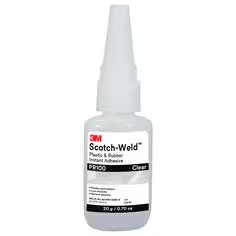
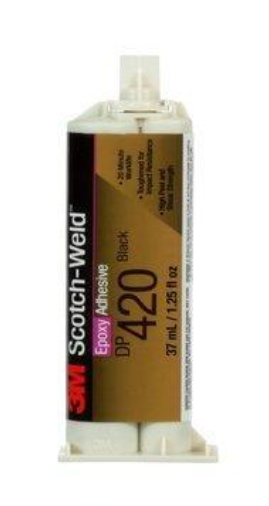
7.3 3M Scotch-Weld Plastics Adhesive
This product is engineered for plastics, providing strong bonds and excellent durability in outdoor conditions.
8. The Future of Adhesive Technology in Repair Techniques
As technology advances, the future of instant adhesives looks promising. Innovations such as smart adhesives that change properties in response to environmental conditions or bio-based adhesives derived from sustainable materials are on the horizon.
Additionally, advancements in application techniques and packaging are making it easier for users to access and apply these powerful bonding solutions. The continued evolution of adhesive technology will undoubtedly enhance repair capabilities across various industries.
9. Frequently Asked Questions
9.1 What surfaces can instant adhesives bond?
Instant adhesives can bond a wide range of surfaces, including most plastics, rubber, wood, metal, and ceramics.
9.2 How long does it take for instant adhesive to cure?
Most instant adhesives cure within seconds to minutes, depending on the specific product and environmental conditions.
9.3 Can instant adhesives be used on flexible materials?
Yes, many instant adhesives are suitable for flexible materials like rubber, providing strong bonds without compromising flexibility.
9.4 How should I store instant adhesives?
Store instant adhesives in a cool, dry place, tightly sealed to prevent moisture exposure, which can cause premature curing.
9.5 Are there any safety precautions to consider when using instant adhesives?
Always use instant adhesives in well-ventilated areas, avoid contact with skin, and keep them away from eyes to prevent irritation.
10. Conclusion
Instant adhesives have revolutionized plastic and rubber repair techniques, offering speed, efficiency, and robust bonding solutions. By understanding the unique properties and application methods of these adhesives, users can achieve lasting repairs that stand the test of time. As technology continues to advance, the potential for even more innovative adhesive solutions will enhance our ability to tackle complex repair challenges effectively. Embracing instant adhesives not only streamlines the repair process but also empowers individuals and professionals alike to achieve superior results with confidence.
Related Information





Integrity Professionalism Efficiency Win-Win
We aim to be the leading one-stop chemical solution provider in China and Southeast Asia!!!
Contact Information
Sanligao (Hong Kong) Co., Ltd.
Room A059, 15/F, Block A, Wah Sang Building, 14-18 Wong Chuk Yeung Street, ShaTin District, New Territories, Hong Kong
Tel:+85 259633311
Email:sales@sanligao.com
Sanligao (Vietnam) Co., Ltd.
Room 105, 1st Floor, Office Building, No. 22 Li Taizu Street, Dafu Fang, Beining City, Beining Province, Vietnam
TEL:+84-388882610
Email: sales@sanligao.com
Shenzhen Sanligao Technology Co., Ltd.
Room 506, Zhaoye Industrial Park, No. 172, Huanguan Middle Road, Songxuan Community, Guanhu Street, Longhua District, Shenzhen
Tel:0755-83155700
Email:sales@sanligao.com
Sanligao Technology (Dongguan) Co., Ltd.
Room 1306, Building 8, Jindi Zihui Port, No. 95, Jiaoping Avenue, Tangxia Town, Dongguan
Tel:0769-82960500
Email: sales@sanligao.com