 China:+86 13509643690



Exploring High Thermal Conductivity Thermal Gel: Applications and Benefits
2025-10-05


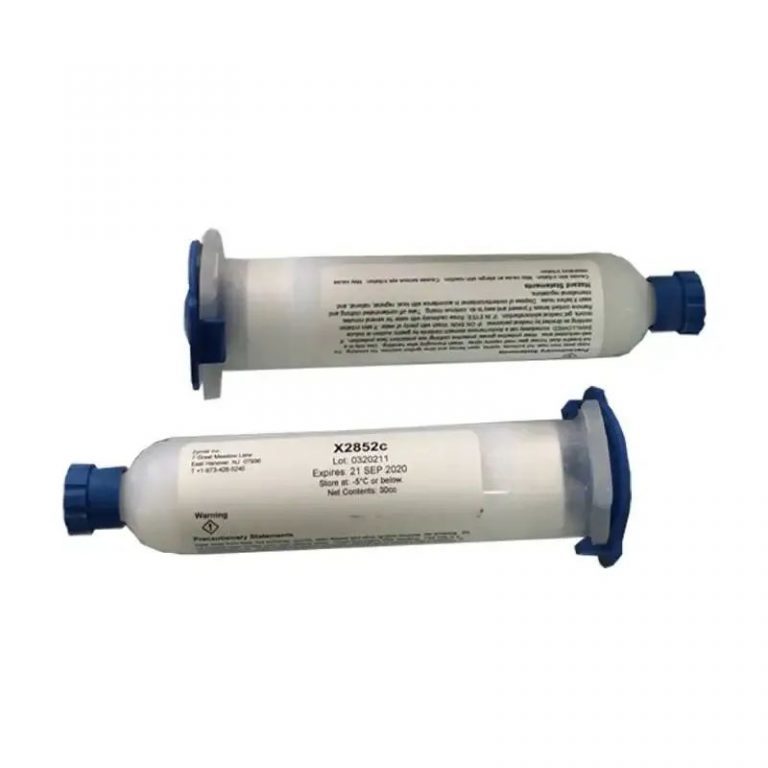
One of the standout features of high thermal conductivity thermal gel is its ability to provide better thermal performance compared to traditional thermal pastes or pads. This improvement is largely due to the gel's unique composition, which allows it to fill microscopic gaps and imperfections on the surfaces of heat-generating components. By minimizing air pockets, which are poor conductors of heat, these gels maximize surface contact and thermal efficiency.
Applications of high thermal conductivity thermal gel are widespread. In the electronics industry, these gels are commonly used in the assembly of LED lights, power devices, and computer processors. As electronic devices become increasingly compact and powerful, the need for effective heat management solutions has grown. High thermal conductivity thermal gels are also utilized in automotive applications, particularly in electric and hybrid vehicles where battery management is critical for performance and safety.
Aside from their impressive thermal properties, these gels often come with additional benefits. For instance, they can exhibit good electrical insulation properties, making them safe to use in sensitive electronic environments. Moreover, high thermal conductivity thermal gels typically have a long lifespan and good stability under varying temperature conditions, which is essential for maintaining performance over time.
When selecting a high thermal conductivity thermal gel, it is vital to consider factors such as viscosity, thermal conductivity rating, and application method. The ideal gel will depend on the specific requirements of your application, including the types of materials being bonded and the operational temperature range.
In conclusion, high thermal conductivity thermal gel represents a significant advancement in thermal management solutions. Its ability to improve heat dissipation in compact electronic devices makes it an invaluable resource for professionals in the chemical and adhesive industries. Understanding the properties and applications of these gels can help businesses make informed decisions about their thermal management needs, ultimately leading to enhanced product performance and reliability.
Related Information






Integrity Professionalism Efficiency Win-Win
We aim to be the leading one-stop chemical solution provider in China and Southeast Asia!!!
Contact Information
Sanligao (Hong Kong) Co., Ltd.
Room A059, 15/F, Block A, Wah Sang Building, 14-18 Wong Chuk Yeung Street, ShaTin District, New Territories, Hong Kong
Tel:+85 259633311
Email:sales@sanligao.com
Sanligao (Vietnam) Co., Ltd.
Room 105, 1st Floor, Office Building, No. 22 Li Taizu Street, Dafu Fang, Beining City, Beining Province, Vietnam
TEL:+84-388882610
Email: sales@sanligao.com
Shenzhen Sanligao Technology Co., Ltd.
Room 506, Zhaoye Industrial Park, No. 172, Huanguan Middle Road, Songxuan Community, Guanhu Street, Longhua District, Shenzhen
Tel:0755-83155700
Email:sales@sanligao.com
Sanligao Technology (Dongguan) Co., Ltd.
Room 1306, Building 8, Jindi Zihui Port, No. 95, Jiaoping Avenue, Tangxia Town, Dongguan
Tel:0769-82960500
Email: sales@sanligao.com