 China:+86 13509643690



Enhancing Your Bonding Skills with Instant Adhesives for Plastic and Rubber
2026-02-14


Enhancing Your Bonding Skills with Instant Adhesives for Plastic and Rubber
Table of Contents
- 1. Introduction to Instant Adhesives
- 2. Types of Instant Adhesives for Plastic and Rubber
- 3. Applications of Instant Adhesives
- 4. How to Choose the Right Adhesive for Your Project
- 5. Techniques for Application of Instant Adhesives
- 6. Common Mistakes to Avoid When Using Instant Adhesives
- 7. Safety Tips When Working with Adhesives
- 8. Frequently Asked Questions
- 9. Conclusion
1. Introduction to Instant Adhesives
Instant adhesives, often referred to as cyanoacrylate adhesives, are renowned for their rapid bonding capabilities and exceptional strength. These adhesives are a popular choice among professionals and hobbyists alike, especially for projects involving plastic and rubber materials. With advances in chemical formulations, modern instant adhesives are designed to bond quickly, forming resilient connections that can withstand various environmental conditions.
Understanding the properties of instant adhesives is vital for optimizing their use in different applications. This guide will explore the various types of instant adhesives suitable for plastic and rubber, their specific applications, and provide expert tips to enhance your bonding skills.
2. Types of Instant Adhesives for Plastic and Rubber
Different types of instant adhesives cater to varied needs based on the materials involved. Here, we will examine the most common types suitable for plastic and rubber bonding.
2.1 Cyanoacrylate Adhesives
Cyanoacrylate adhesives are perhaps the most well-known instant adhesives. They bond quickly and create a strong, durable bond with many surfaces, including plastics and rubber. When choosing cyanoacrylate adhesives, consider formulations specifically designed for your materials to ensure optimal adhesion.
2.2 Epoxy Adhesives
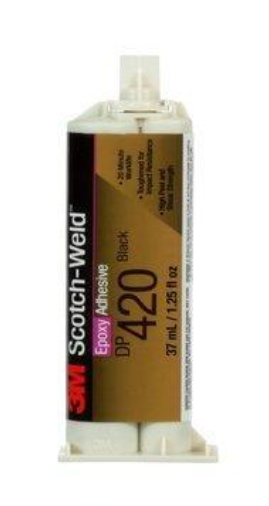
Epoxy adhesives consist of two components: a resin and a hardener. These adhesives are renowned for their excellent strength and durability. While they may take longer to cure than cyanoacrylate adhesives, their resistance to environmental factors makes them a preferred choice for more demanding applications.
2.3 Silicone Adhesives
Silicone adhesives are versatile and flexible, making them ideal for bonding rubber materials. They withstand extreme temperatures and provide excellent waterproofing, making them suitable for outdoor applications. Silicone adhesives might not bond as rapidly as cyanoacrylate adhesives, but their long-lasting flexibility is unmatched.
2.4 Hot Melt Adhesives
Hot melt adhesives are thermoplastic materials that become liquid when heated and solidify as they cool. These adhesives work well for rubber and certain plastics, especially in applications that require immediate bonding. However, they may not offer the same level of strength or temperature resistance as other adhesive types.
3. Applications of Instant Adhesives
Instant adhesives are widely used across various industries, from crafting to automotive repair. Understanding the applications can help you leverage these adhesives effectively.
3.1 Crafting and DIY Projects
For hobbyists and DIY enthusiasts, instant adhesives provide a reliable solution for bonding plastic and rubber components in crafts, models, and repairs. Their quick-setting nature allows for efficient project completion without lengthy waiting times.
3.2 Automotive Industry
In the automotive industry, instant adhesives are used for a range of applications, including bonding plastic parts, repairing rubber components, and fixing electronic assemblies. The ability to cure quickly is essential in automotive manufacturing and repairs.
3.3 Electronics
Instant adhesives play a crucial role in electronic component assembly, where precise bonding is required. They are often used to secure plastic casings, rubber seals, and even circuit boards, providing a strong connection without the risk of damage from excessive heat.
4. How to Choose the Right Adhesive for Your Project
Choosing the right adhesive can significantly impact the success of your project. Here are some factors to consider when selecting an instant adhesive:
4.1 Material Compatibility
Ensure that the adhesive is compatible with the specific types of plastic or rubber you are using. Different materials may require different adhesive formulations for optimal bonding.
4.2 Bonding Speed
Consider how quickly you need the bond to form. If you require immediate adhesion, cyanoacrylate adhesives may be preferable, while epoxy adhesives may be better suited for applications that allow for a longer curing time.
4.3 Environmental Resistance
Evaluate the environmental conditions the bonded materials will face. If the bond will be exposed to moisture, heat, or chemicals, select an adhesive that offers the necessary resistance.
4.4 Flexibility and Strength
Depending on the application, you may need an adhesive that provides flexibility or one that offers maximum strength. Silicone adhesives are excellent for flexibility, while epoxy adhesives excel in strength.
5. Techniques for Application of Instant Adhesives
Proper application techniques can enhance the effectiveness of instant adhesives. Here are some tips to ensure a strong bond:
5.1 Surface Preparation
Clean the surfaces to be bonded thoroughly, removing any dirt, grease, or moisture. For plastics, lightly sanding the surface can improve adhesion by creating a better bonding surface.
5.2 Apply in Thin Layers
When applying instant adhesives, use a thin layer to prevent excess adhesive from seeping out and creating a mess. A small amount is often sufficient for a strong bond.
5.3 Align Components Before Curing
Make sure to align the components correctly before the adhesive cures. Once the adhesive sets, it can be challenging to reposition the parts without compromising the bond.
5.4 Use Clamps for Better Bonding
For stronger bonds, consider using clamps or weights to hold the components together during the curing process. This ensures maximum contact and a solid bond.
6. Common Mistakes to Avoid When Using Instant Adhesives
Even seasoned professionals can make mistakes. Here are some common pitfalls to watch out for:
6.1 Not Testing the Adhesive
Before using an adhesive on your final project, always conduct a test on a scrap piece of the same material. This helps you gauge the bond strength and compatibility.
6.2 Ignoring Safety Precautions
Always wear protective gear, such as gloves and goggles, when working with adhesives. Be aware of the adhesive's fumes and work in a well-ventilated area.
6.3 Applying Too Much Adhesive
Using excess adhesive can lead to a weaker bond and may create a mess. Remember, a little goes a long way with instant adhesives.
6.4 Not Allowing Sufficient Curing Time
While instant adhesives bond quickly, some may require additional time to reach full strength. Refer to the manufacturer’s instructions for recommended curing times.
7. Safety Tips When Working with Adhesives
Safety should always be a priority when working with instant adhesives. Here are some essential tips:
7.1 Work in a Well-Ventilated Area
Ensure your workspace is well-ventilated to minimize exposure to harmful fumes. Using a fan can help circulate air.
7.2 Use Personal Protective Equipment (PPE)
Wear gloves to protect your skin from contact with adhesives. Safety goggles are also recommended to prevent irritation from fumes or splashes.
7.3 Store Adhesives Properly
Keep adhesives out of reach of children and store them in a cool, dry place. Check the expiration dates and dispose of expired products safely.
8. Frequently Asked Questions
8.1 Can I use instant adhesives on all types of plastic?
Not all plastics are compatible with instant adhesives. It's crucial to check the manufacturer's recommendations for compatibility with specific plastic types.
8.2 How long does it take for instant adhesives to cure?
Curing time varies by product. Generally, cyanoacrylate adhesives set within seconds, while epoxy adhesives may take several hours to cure fully.
8.3 Can instant adhesives be used for outdoor projects?
Yes, some instant adhesives are designed for outdoor use and can withstand environmental conditions. Always check the product specifications.
8.4 What should I do if I accidentally get adhesive on my skin?
If adhesive comes into contact with your skin, try to peel it off gently. If necessary, use acetone or a commercial adhesive remover, following safety precautions.
8.5 Are there alternatives to instant adhesives for plastic and rubber bonding?
Yes, alternatives include epoxy adhesives, silicone adhesives, and even mechanical fastening solutions, depending on the requirements of the project.
9. Conclusion
Mastering the use of instant adhesives for plastic and rubber can significantly enhance your bonding projects, whether you're a DIY enthusiast or a professional. By understanding the different types of adhesives, their applications, and effective techniques, you can achieve strong, durable bonds that stand the test of time. Remember to prioritize safety and choose the right adhesive for your specific needs. With practice and the right knowledge, you will elevate your bonding skills and tackle projects with confidence. Embrace the power of instant adhesives and transform your work into a masterpiece!
Related Information





Integrity Professionalism Efficiency Win-Win
We aim to be the leading one-stop chemical solution provider in China and Southeast Asia!!!
Contact Information
Sanligao (Hong Kong) Co., Ltd.
Room A059, 15/F, Block A, Wah Sang Building, 14-18 Wong Chuk Yeung Street, ShaTin District, New Territories, Hong Kong
Tel:+85 259633311
Email:sales@sanligao.com
Sanligao (Vietnam) Co., Ltd.
Room 105, 1st Floor, Office Building, No. 22 Li Taizu Street, Dafu Fang, Beining City, Beining Province, Vietnam
TEL:+84-388882610
Email: sales@sanligao.com
Shenzhen Sanligao Technology Co., Ltd.
Room 506, Zhaoye Industrial Park, No. 172, Huanguan Middle Road, Songxuan Community, Guanhu Street, Longhua District, Shenzhen
Tel:0755-83155700
Email:sales@sanligao.com
Sanligao Technology (Dongguan) Co., Ltd.
Room 1306, Building 8, Jindi Zihui Port, No. 95, Jiaoping Avenue, Tangxia Town, Dongguan
Tel:0769-82960500
Email: sales@sanligao.com