
 China:+86 13509643690



Enhancing Chip Reliability: The Role of Rework Underfill Adhesive
2026-04-16


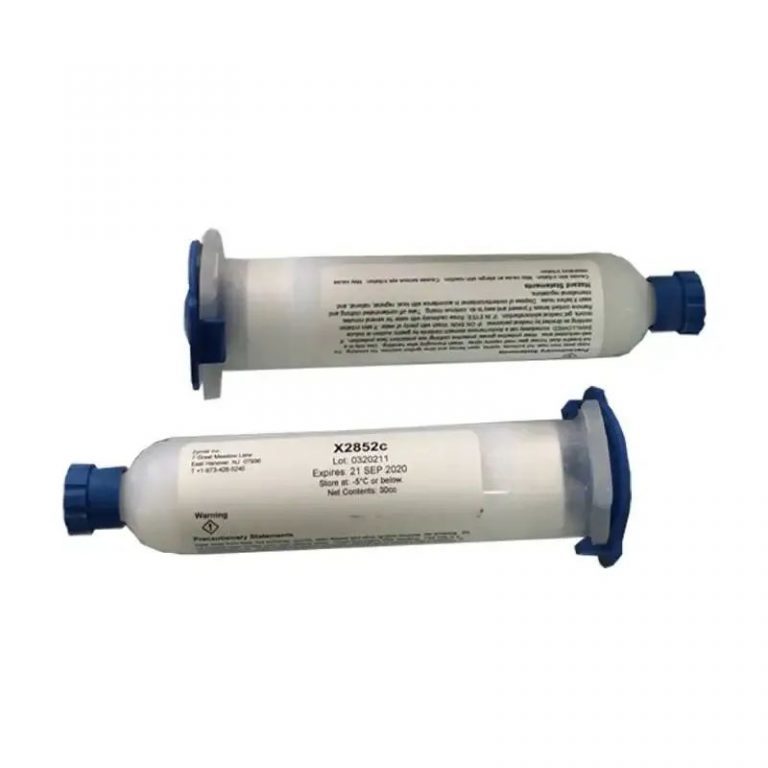
The primary function of rework underfill adhesive is to protect sensitive chip components from physical stress and environmental factors. During operation, chips are subjected to thermal cycling and mechanical vibrations, which can lead to failure if not properly managed. By applying underfill adhesive, manufacturers can significantly reduce the risk of delamination and cracking, ensuring the longevity of the chips.
One of the standout features of rework underfill adhesives is their ability to be reworked. In cases where a chip needs to be replaced or repaired, these adhesives can be removed without damaging the underlying components. This characteristic is essential for maintaining production efficiency and reducing waste, as it allows for the salvage of expensive chips instead of discarding them entirely.
In addition to their mechanical properties, rework underfill adhesives offer excellent thermal conductivity, which is vital for heat dissipation in high-performance devices. Efficient heat management is crucial in preventing overheating, which can lead to reduced performance or complete failure of the electronic component. By utilizing a suitable underfill adhesive, manufacturers ensure that the heat generated by the chip is effectively dissipated, enhancing overall performance.
Moreover, the chemical composition of rework underfill adhesives is designed to provide superior adhesion to various substrates, ensuring a strong bond that withstands the rigors of everyday use. The choice of materials is critical, as they must complement the thermal expansion characteristics of both the chip and substrate to avoid stress accumulation during thermal cycling.
When selecting a rework underfill adhesive for chips, it is essential to consider factors such as viscosity, cure time, and compatibility with existing manufacturing processes. Each application may require a different formulation to meet specific performance criteria, so working with experienced suppliers can help find the right solution.
In conclusion, rework underfill adhesive for chips plays a pivotal role in enhancing the reliability and longevity of electronic devices. By offering protection against mechanical and thermal stress, these adhesives not only improve performance but also enable manufacturers to pursue cost-effective rework options. As the semiconductor industry continues to evolve, the significance of such advanced materials will only grow, making them an essential component in the production of high-quality electronic devices.
Related Information





Integrity Professionalism Efficiency Win-Win
We aim to be the leading one-stop chemical solution provider in China and Southeast Asia!!!
Contact Information
Sanligao (Hong Kong) Co., Ltd.
Room A059, 15/F, Block A, Wah Sang Building, 14-18 Wong Chuk Yeung Street, ShaTin District, New Territories, Hong Kong
Tel:+85 259633311
Email:sales@sanligao.com
Sanligao (Vietnam) Co., Ltd.
Room 105, 1st Floor, Office Building, No. 22 Li Taizu Street, Dafu Fang, Beining City, Beining Province, Vietnam
TEL:+84-388882610
Email: sales@sanligao.com
Shenzhen Sanligao Technology Co., Ltd.
Room 506, Zhaoye Industrial Park, No. 172, Huanguan Middle Road, Songxuan Community, Guanhu Street, Longhua District, Shenzhen
Tel:0755-83155700
Email:sales@sanligao.com
Sanligao Technology (Dongguan) Co., Ltd.
Room 1306, Building 8, Jindi Zihui Port, No. 95, Jiaoping Avenue, Tangxia Town, Dongguan
Tel:0769-82960500
Email: sales@sanligao.com